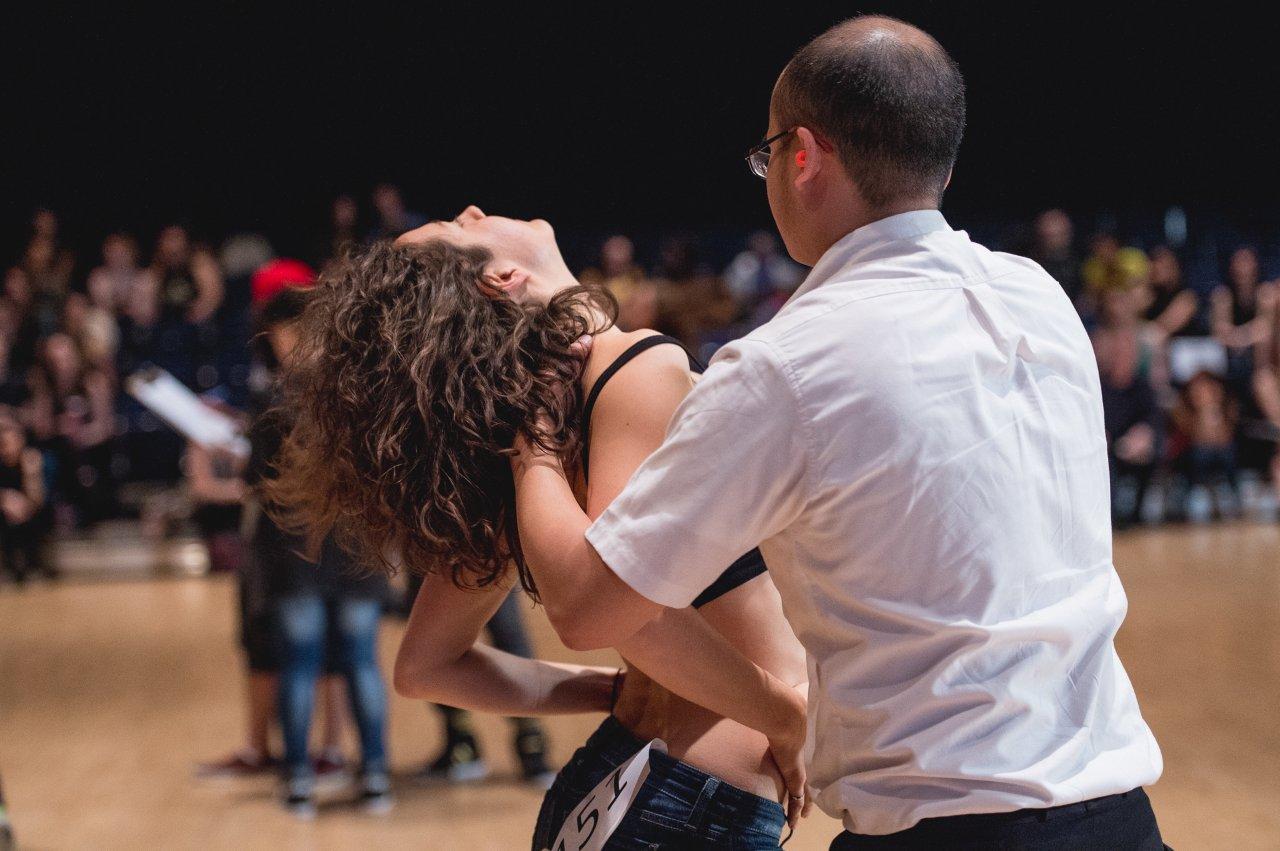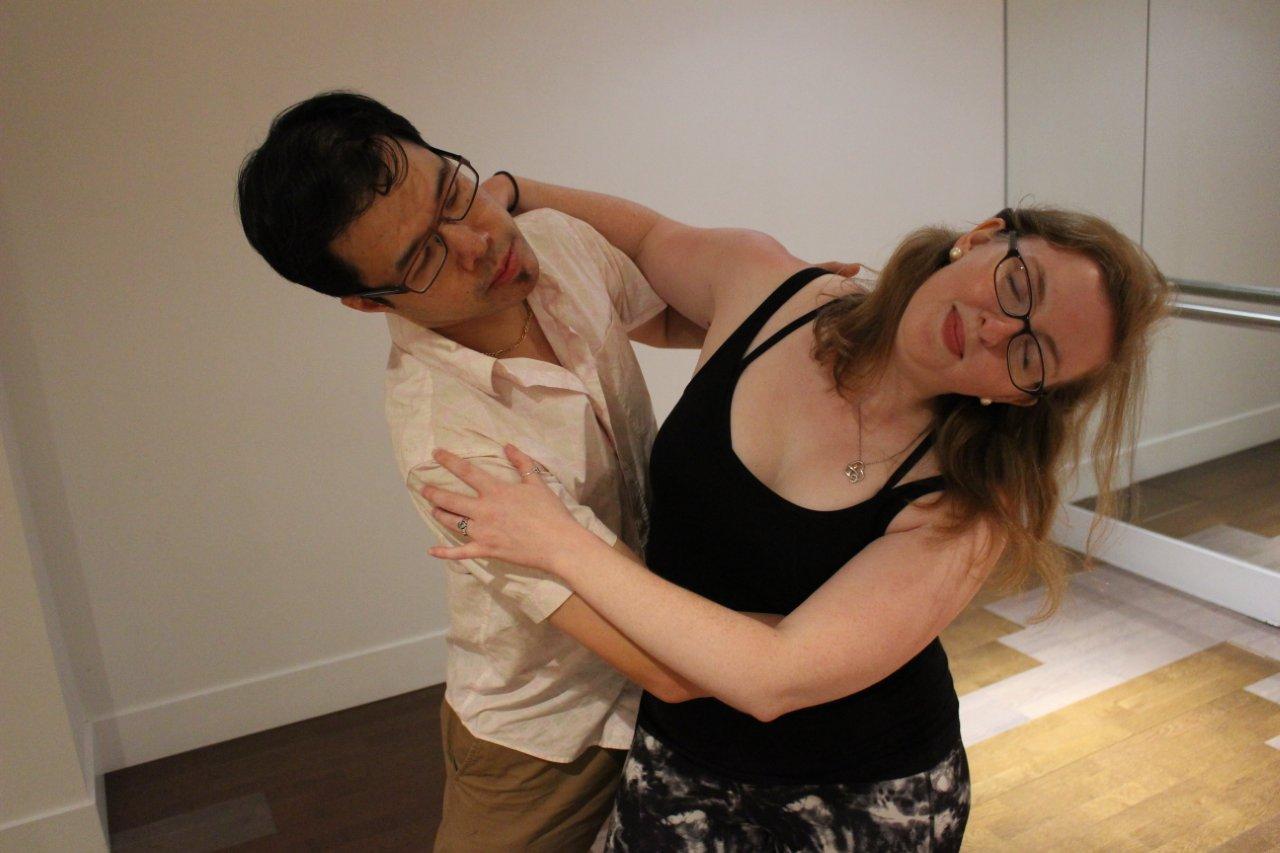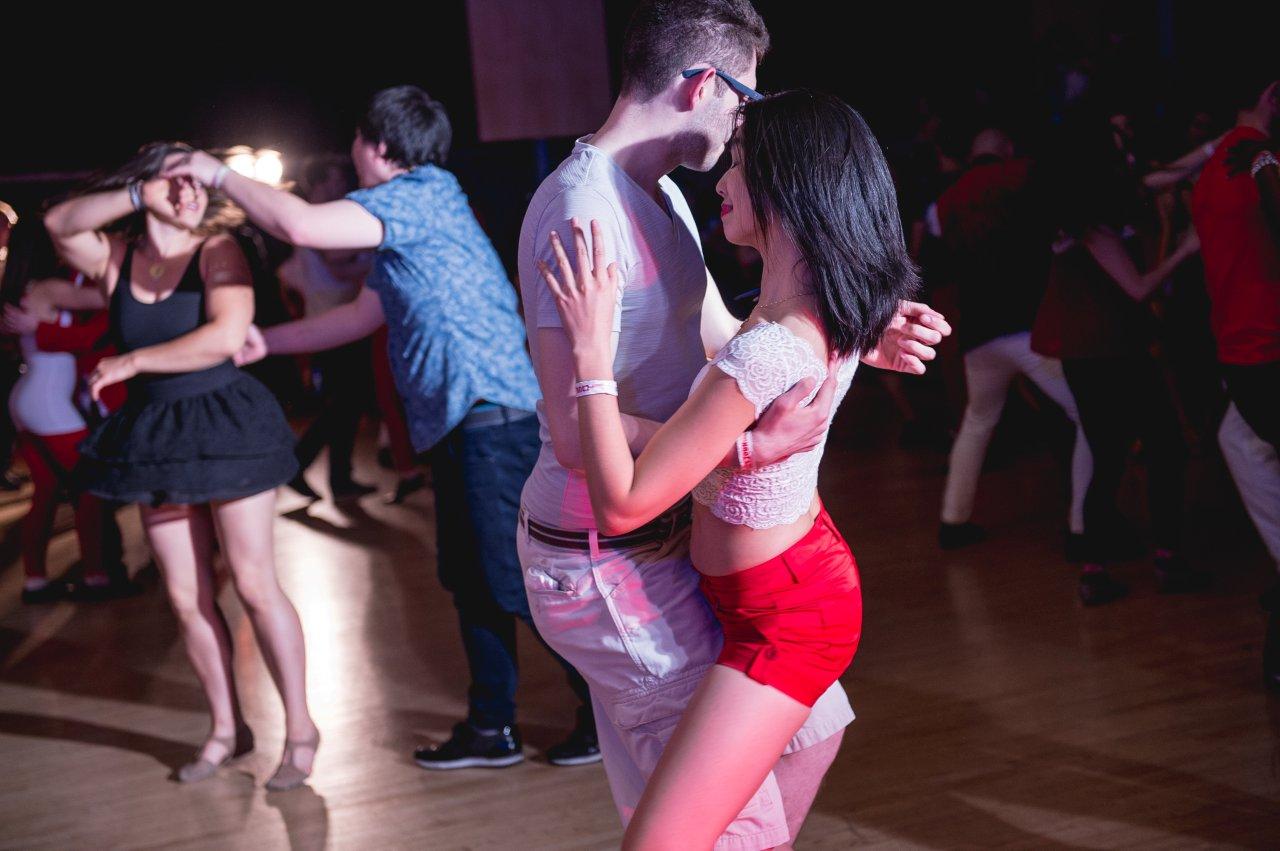
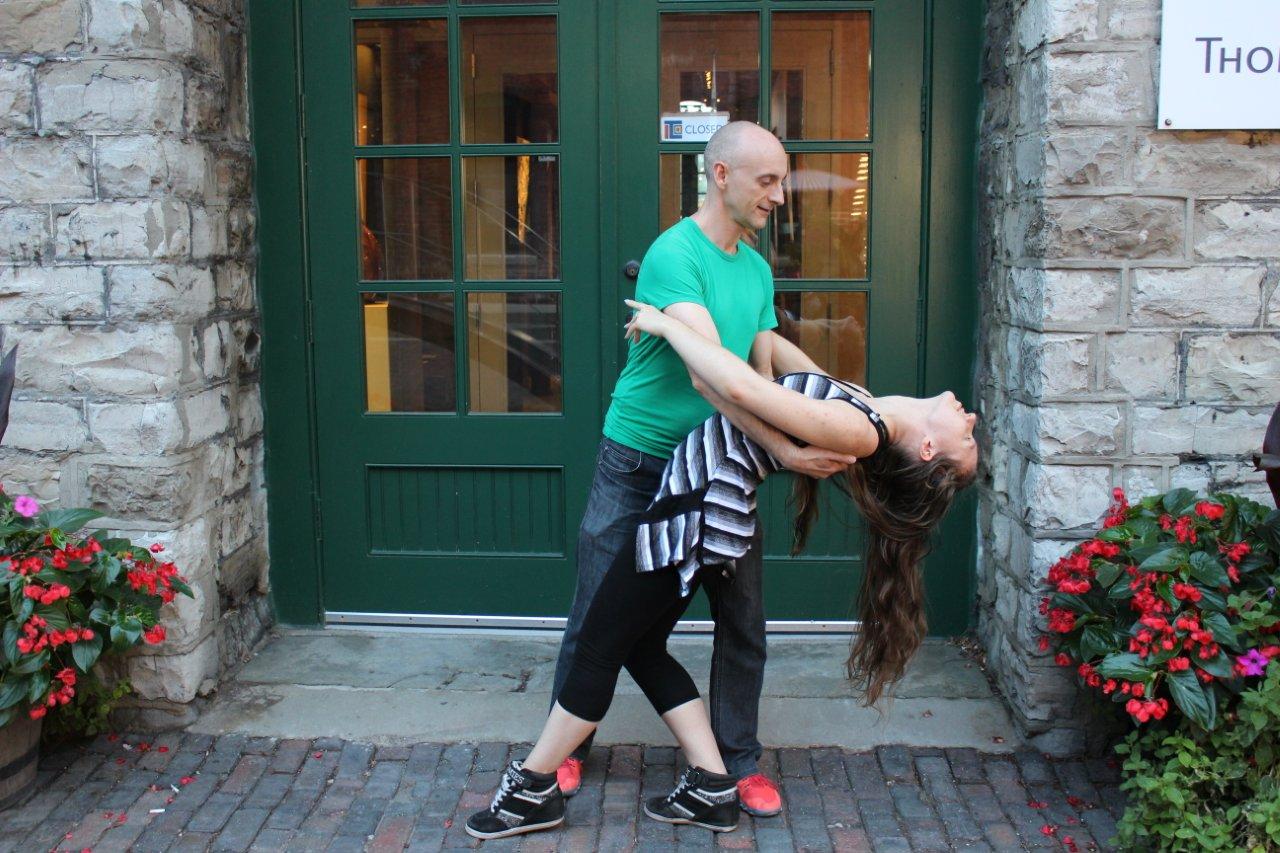
There are a few moves in any partner dance that inevitably divide follows right down the middle: they either love ’em, or hate ’em. So, what’s a lead to do? How do you tell whether you have a follow who absolutely adores dips – or wants you to never, ever, EVER do them? What clues are there that your follow is spin-happy, or spin adverse? What are the moves in partner dance that follows either love fiercely, or hate with a deep passion?
-
-
The dance community has been having some very important discussions lately. We’ve been having discussions around consent and assault. Taking about sexism and sexual aggression. Having conversations on homophobia and racism. Debating about cultural appropriation and honoring the roots of dances. Invariably, there are a couple types of overreactions.
-
I hate to break it to you, but this post isn’t going to be where I give you a magic formula that works with every partner. There’s no universal ‘great dance’ formula. However, every social dancer has their own personal ‘great dance’ formula.
-
Do any of these phrases sound familiar? “I’m heavy, so people won’t dance with me – even though I’m an awesome dancer.” “If I was younger, people would dance with me more.” “They’re only dancing with her because she’s hot. She can’t dance.” “If she wasn’t a dance snob, she’d like dancing with me.” “She only dances with super-flashy, ‘advanced’ dancers. She has no appreciation of my solid basics!’ “I’m a beginner, so no one will dance with me because I’m not good enough.”
-
Dear 1-Year Dancer, I’m glad you’ve been with us a year. I’m so happy you’ve been contributing to this wonderful community for a full 12 months. We may need to have a talk soon.
-
Ask almost any dancer, and they’ll tell you that there are some KILLER habits that have nothing to do with your actual ability to dance. When I say ‘killer’, I don’t mean super-cool; I mean they will kill your desirability as a dance partner. For some people, these things are obvious. Others have (somehow) avoided hearing about these tricks. Last, there are those who know the tricks and think they’re doing OK – but in actuality are the worst offenders.
-
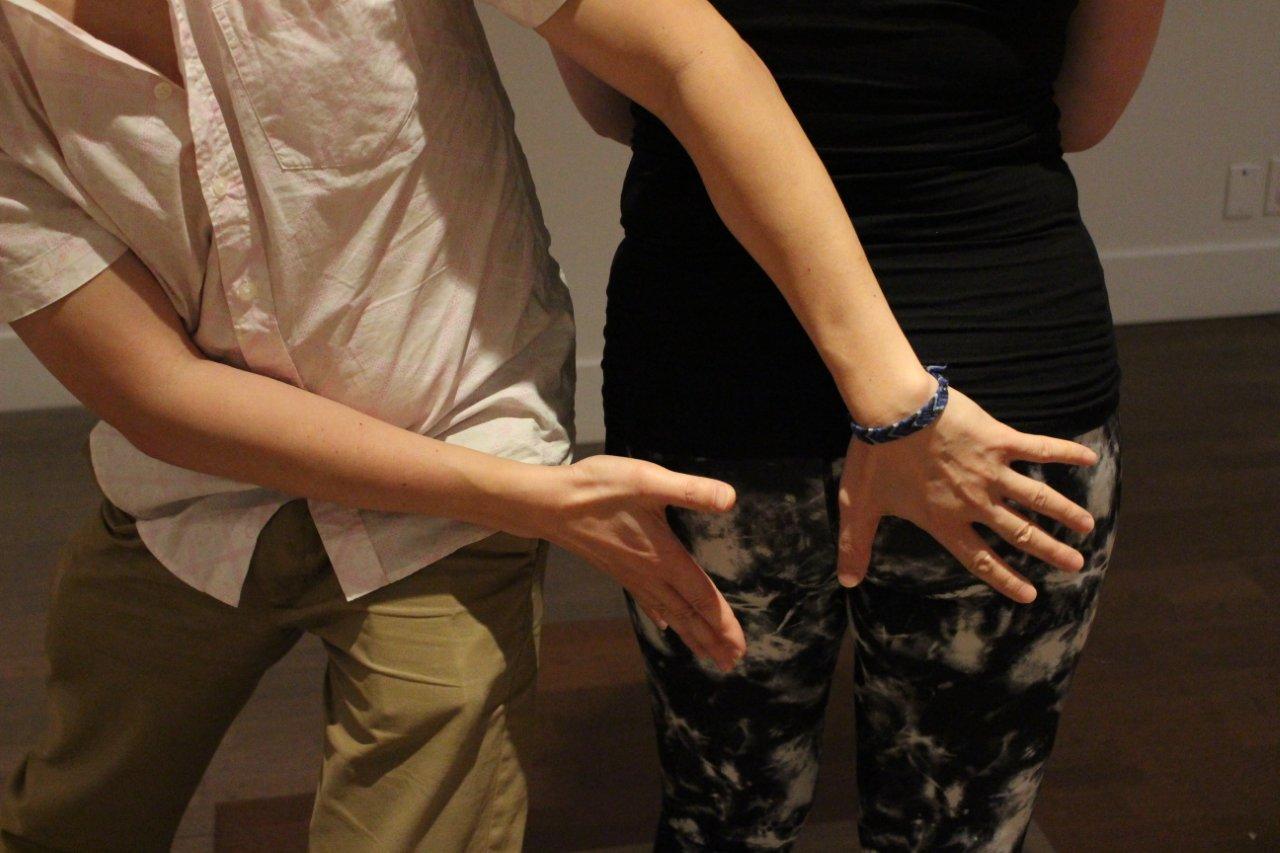
Hands are magical. They’re one of the most sensitive parts of the human body, and can even feel large microscopic molecules on a flat surface. We also generally rely pretty heavily on the hands for social dancing. Of course, it is possible to not use the hands in social dancing – but it is difficult. But, there are things that your hands can do in social dancing that you may not think about regularly.
-
I want you to imagine an absolute beginners walking into their first dance social. They see all these people moving together on the floor – nothing like what they’ve seen at a dance club. Their first impulse? “Wow! Everyone here is an amazing dancer!” Meanwhile, their advanced dancer buddy may look at the room and think how wrong that beginner is. To them, out of the 40 dancers in the room, at least 20 of them aren’t good partners.
-
There are two truths I’ve learned in both dance and life about relating to people: Being assertive about your needs, wants, and rights is important; and, Being kind, polite and respectful is one of the best ways to deal with people. Several dance communities have recently been having a very important discussion of the role of consent, personal space, and our ‘rights’ as dancers. This is a long-overdue discussion – but I want to highlight one risk we run in our quest for assertiveness: We run the risk of becoming unnecessarily mean or rude.
-
Dancers are a little bit different. We spend our nights doing crazy things. We spend our days thinking about spending our nights doing crazy things. We travel around the world to dance for a weekend – and many of us don’t even leave the hotel. How many of these graphs do you relate to?
-
Do you consider yourself an open person when it comes to hearing about what you can improve? Funnily enough, most of us do consider ourselves open to feedback. Yet, from external experience, we know that there are quite a few dancers who do not take feedback well. This means that there are some dancers who consider themselves quite open to feedback – but who actually take feedback relatively poorly.
-
“Hate begets hate; violence begets violence; toughness begets a greater toughness. We must meet the forces of hate with the power of love” – Martin Luther King Jr. By this time, I’m sure that most of the dance world has already heard about the terror attack in Nice. It’s not the first, and it’s very likely not the last.
-
Partner dances, by definition, involve two people. They require connection and lead/follow. To become a great partner dancer, you must practice with partners and on a social dance floor. But, the need for partnered practice does not negate the need for solo dance practice.
-
There has been a storm recently about the ‘legitimacy’ of Sensual Bachata as a type of Bachata dance. It started with a video, which called out Daniel and Desiree and other notable Sensual Bachata dancers for their use of ‘LambaZouk’ (though I’d personally say they take more from Traditional style). It then escalated to a defense of ‘Sensual Bachata’ by its creators Korke and Judith.
-
Have you ever eaten (or even seen) an Oreo cookie? Two chocolate wafers, containing a glorious cream frosting in the center. Some people eat them as a sandwich; some take them apart to simply eat the cream. When you social dance, I want you to think about Oreo cookies.