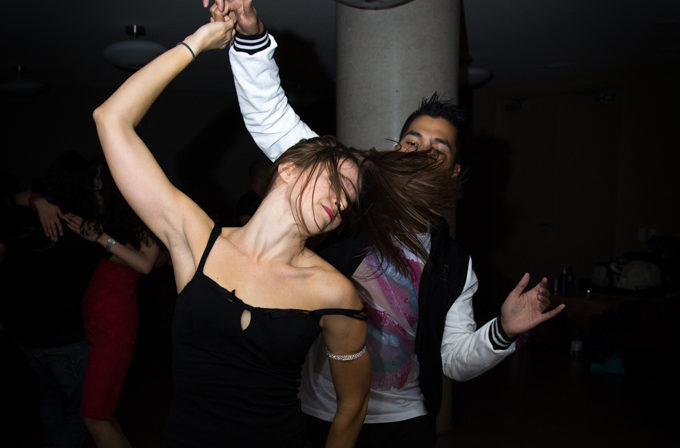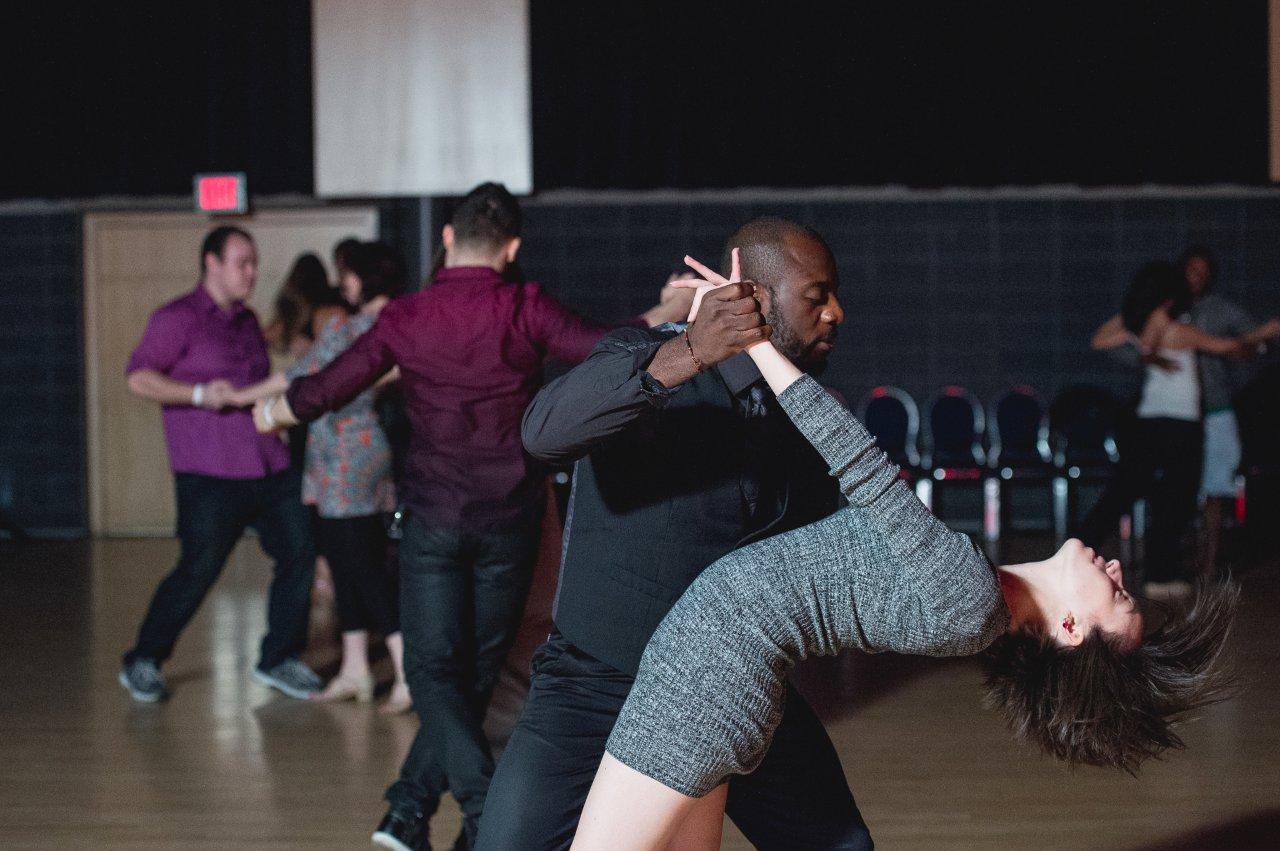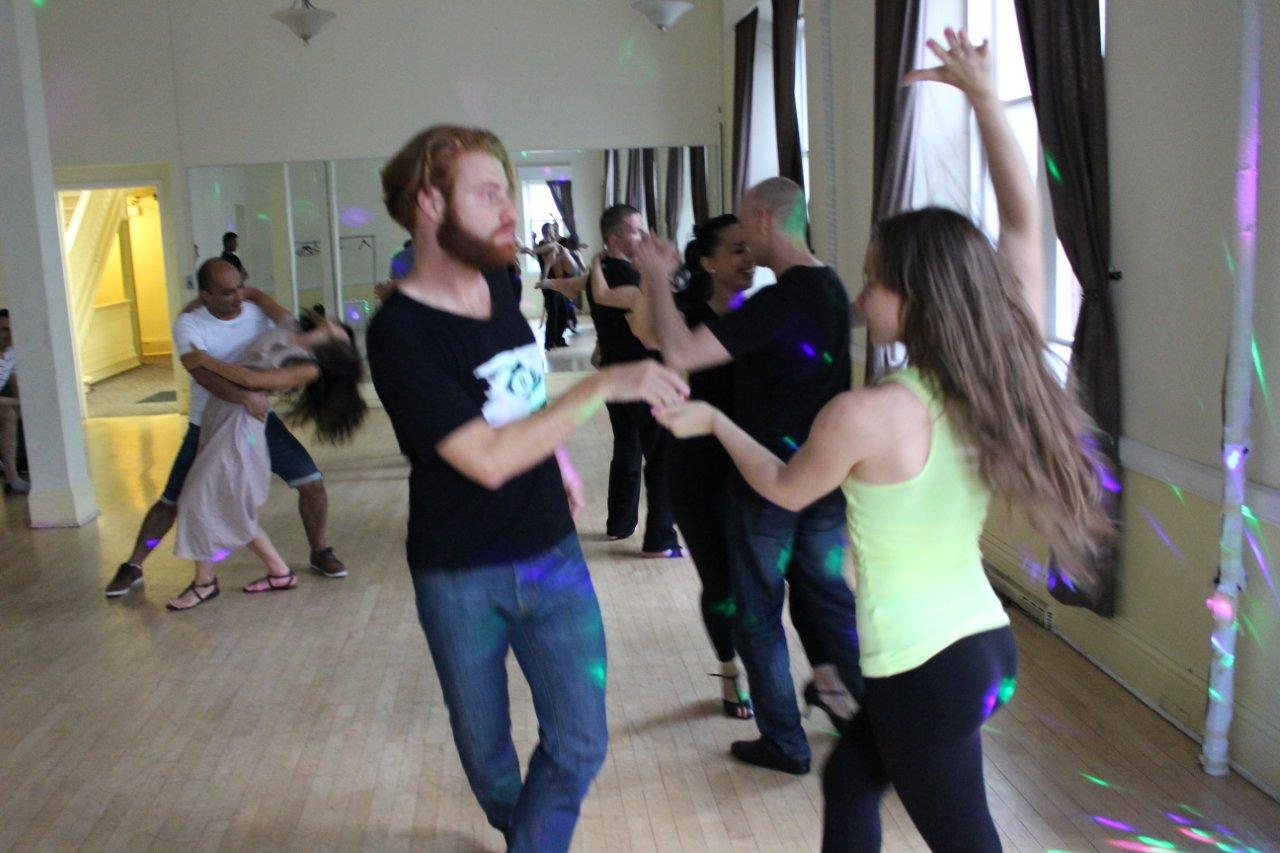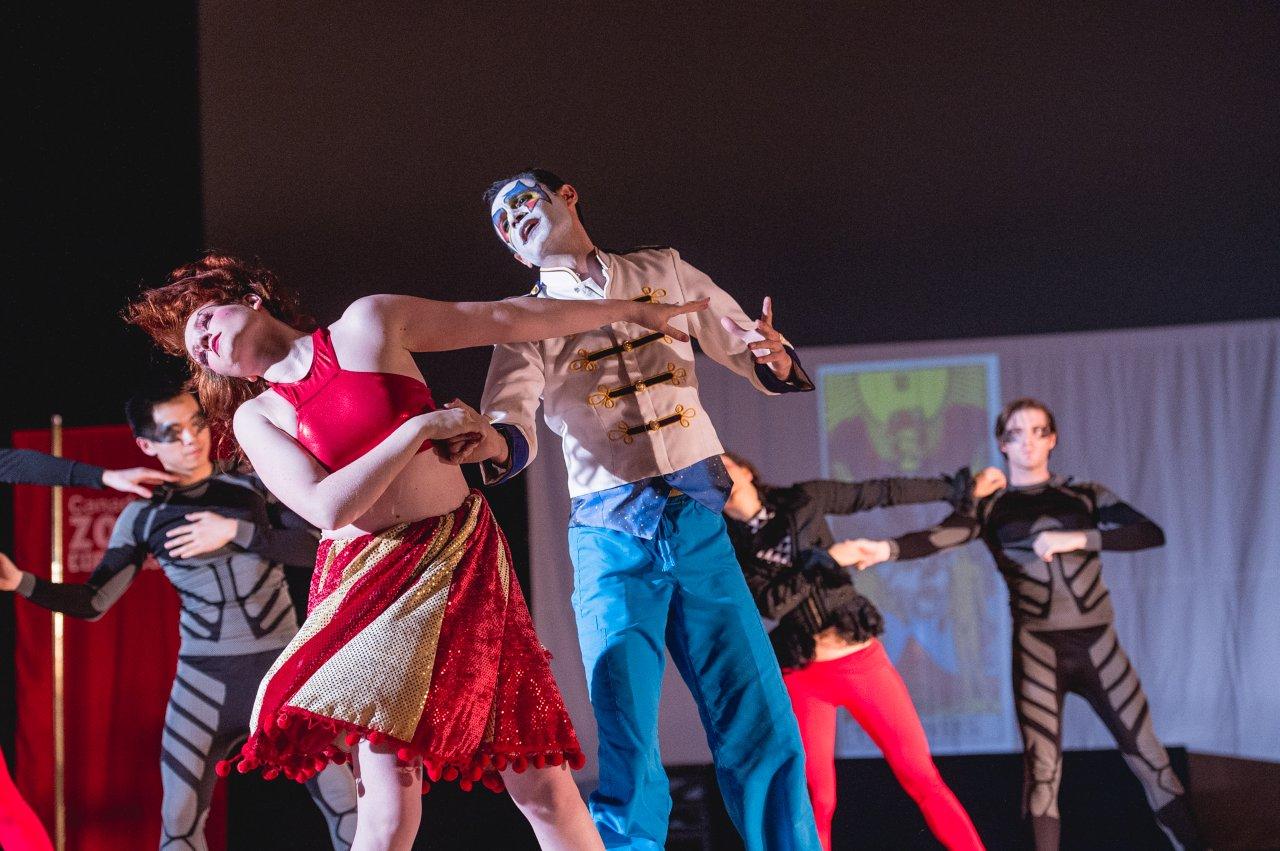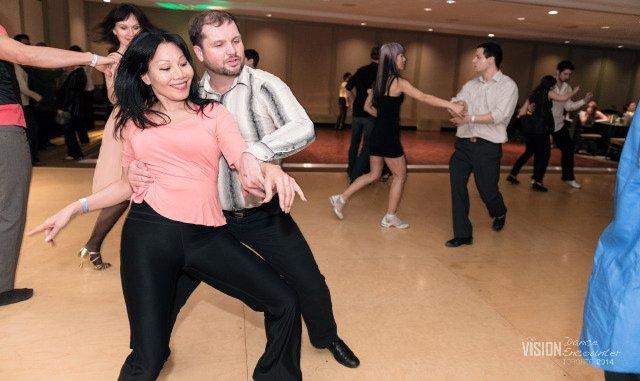
A couple is embracing on the dance floor. The follow’s hips are swaying side to side as the lead signals just how to move. The music is deep and strong, pulsing through the dancers’ interpretations of rhythm, lyrics, and melody. The partners are in their own world; oblivious to the many other dancers around them in the dimly-lit and steamy room. Is their dance Sensual, Sexual, or Sexy? Your answer likely has a close tie to your dance background, culture, and comfort level on the dance floor. For example, a Kizomba dancer will have a very different interpretation of these…
-
-
There are countless reasons why dancing (in any form) is something you should have in your life. But there is something special about Zouk – something that captivates the soul. So, here are 6 reasons you should dance Zouk: 1. The Music. It can be everything from hypnotic to hip-hop, trance to lyrical. No matter what your flavour, you can connect to the music. I will never forget the first time that I walked into a Zouk social – it was a whole different world from the Salsa/Bachata flavours I had experienced before. There is something primal in the Zouk rhythm; something that…
-
Generally speaking: the stronger a dancer gets, the larger their ego becomes. Very often, the speed of ego expansion surpasses their actual dance growth. As the ego grows, it’s also a potential side-effect that the speed of dance growth will slow, and that they will become a toxic dance presence. Who is at Risk? All dancers are at risk of developing Dance Ego Syndrome, but you may be at an elevated risk if you fall into one of the following categories: Have been dancing more than 1 year Are no longer taking dance classes Are popular with dancers of the…
-
My dance heart is something very precious to me, and only a select few partners every get to keep a part of it. Those dancers I remember forever; the moments danced with them are permanently blazed in my memory. So, how did they do it?
-
On the social dance floor, there are two distinct groups that a lead or a follow will fall into. At its base level, a social dance will be either “Comfortable” or “Uncomfortable”. It doesn’t matter what level you dance at, you have complete control over which of the two groups you fall into. A complete beginner can give a partner a “Comfortable” dance, and a professional can give a partner an “Uncomfortable” dance quite easily. So, what (in my opinion) is the line between the two groups? To me, there are three main differentials:
-
We (dancers) are a community. There are good and bad things that go with this. For example, everyone knows everyone else’s business and history. Did you go on two dates back with that one guy from two years ago? Yup, we know about it. Did you and this other person get into a fight? Yes, we know about that, too.
-
Sometimes, we may liken our dance floor experiences with sitcoms, romantic dramas, or flat out horror movies. Here’s a list of 9 behaviors or dancers who fully support that the dance floor is, in fact, a movie.
-
There are many stages to social dancing. Here are some of the attitudes that I’ve noticed along the way, from all levels.
-
I recently got back from touring Europe for Zouk. It was the first time I had danced outside of Canada for Zouk, and also the first time I met so many “big names” in such close quarters. Back home in Canada, I’m pretty confident in my Zouking skills. I understand my limitations and shortcomings, but when a dancer comes to visit, I very rarely feel nervous about asking them to dance. Additionally, as a performer and local teacher, I feel pretty secure overall as a dancer in my home country and surrounding area.
-
I’ve spent a lot of time thinking about the reasons people dance. I have spent far less time thinking about the reasons people don’t – or won’t – dance. Today, in my mindless internet forays, I came across an article about a fitness expert who decided to gain and lose 70 lbs just to see what it felt like and relate to his clients here. What does gaining/losing weight have to do with this article? Not much. But his musings on why people don’t successfully lose weight got me thinking. The following is a hypothesis, and is certainly not backed…
-
One of the few times I got myself out to Lindy Hop, a very astounding thing happened. First off, I’m definitely a beginner when it comes to Lindy Hop. Of course, I can dance… which gives me a bit of a head start. In any case, I found myself at a Lindy dance one night, and had plenty of baskets of fun. It’s not my favorite dance in the world, but it’s fun. I see why people go mad bananas over it. As I was leaving, an older man (I won’t call him gentleman for the reasons following) came up to me…
-
Every once in a while, I see a new dancer who comes into the scene with not a clue what they are doing. Someone who has not had the chance or money to take classes, or who does not have the opportunity to gain exposure to the level of dancing some of us are regularly privy to. Sometimes, this dancer is naturally “gifted”; there is something in their past or some sort of other ability that gives them a jump start in the dance world. Other times, they have just stumbled into dance later in life, but have a deep-seated…
-
Recently, there was a question on Facebook that caught my interest. Loosely, it asked if a follow should compensate when the leader does something wrong, or ONLY follow what was led. This is a reasonable enough question, but some of the surrounding conversation made me think hard on how we as a dance community conceptualize leading and following.
-
It happens to everyone, albeit for different reasons. Because I am quite tall for a lady, often for me it involves a significant height difference between my partner and I. It’s not that I don’t enjoy close dances with men who are shorter than myself, but if your face is approximately at the same level as my cleavage… please don’t hold me in close hold.
-
Whenever I meet someone new, the inevitable question of “what do you do for fun?” comes up. Usually, the first thing that I say is “I am a dancer, and that’s usually what I do with my nights.” Usually, the first thing the person thinks of is one of these: