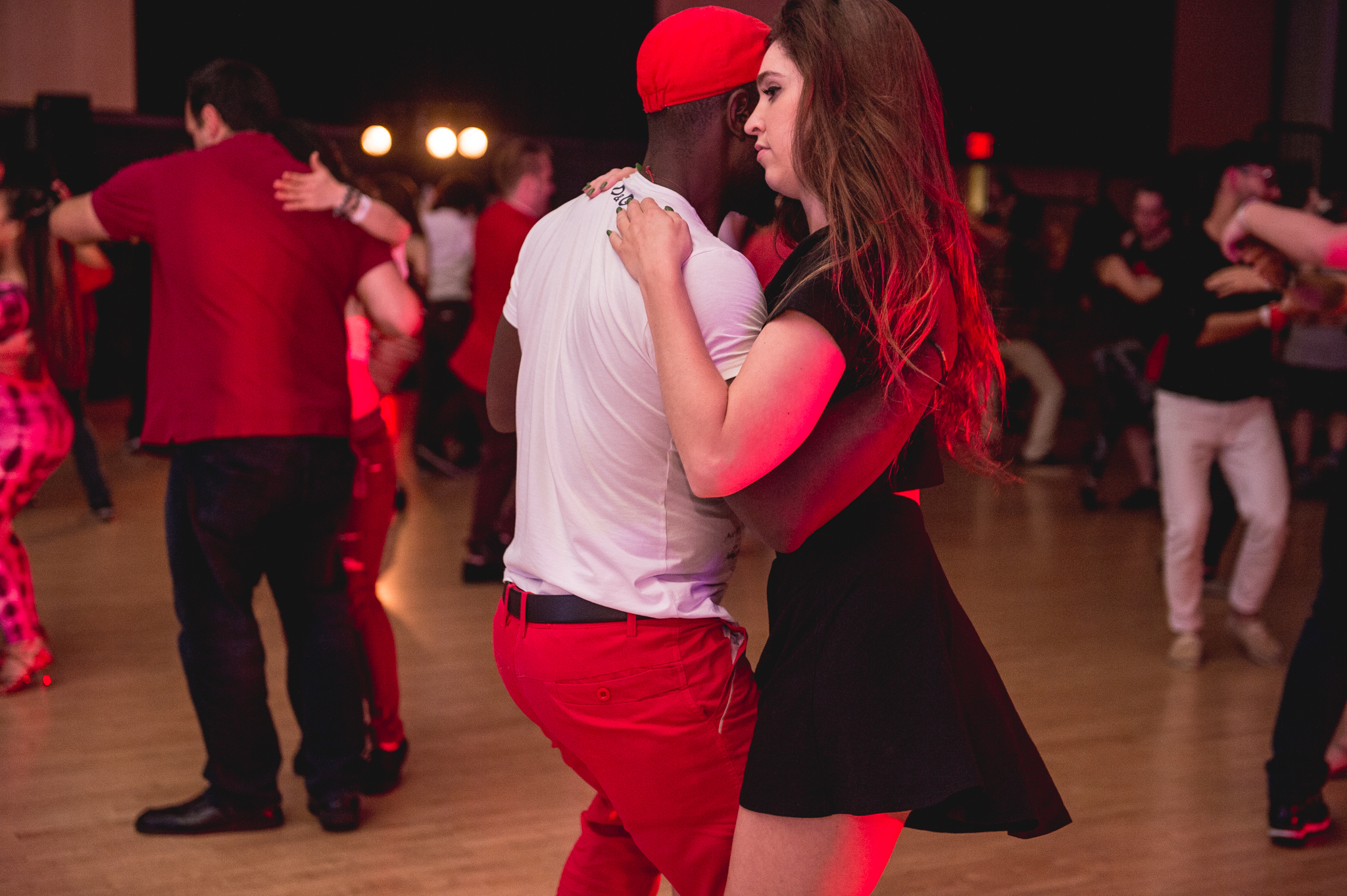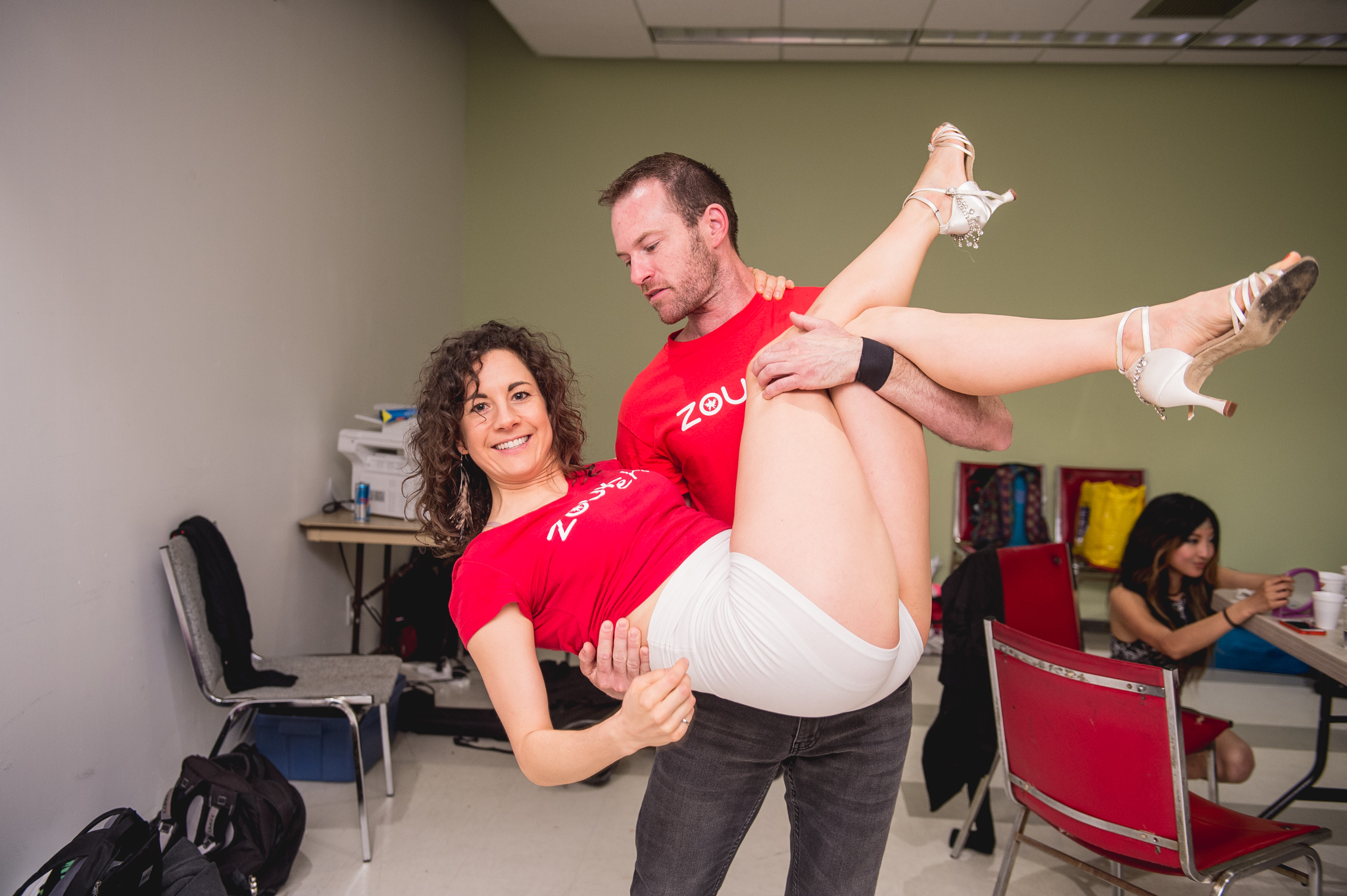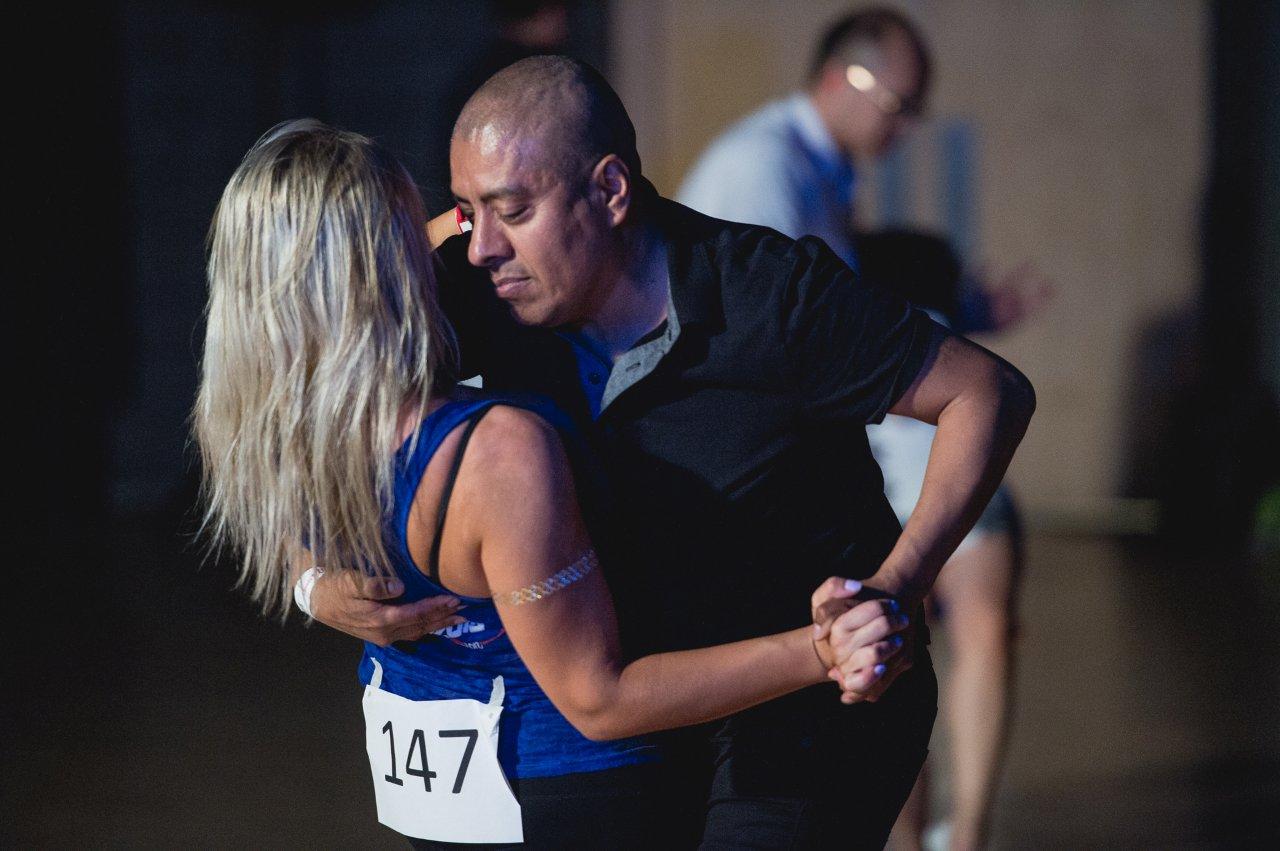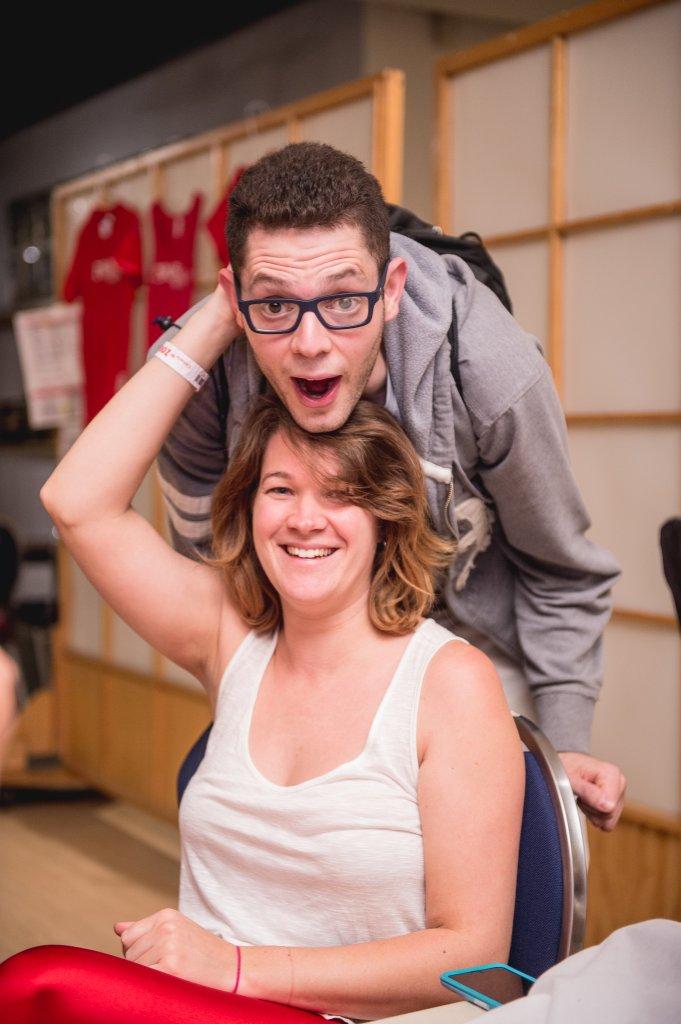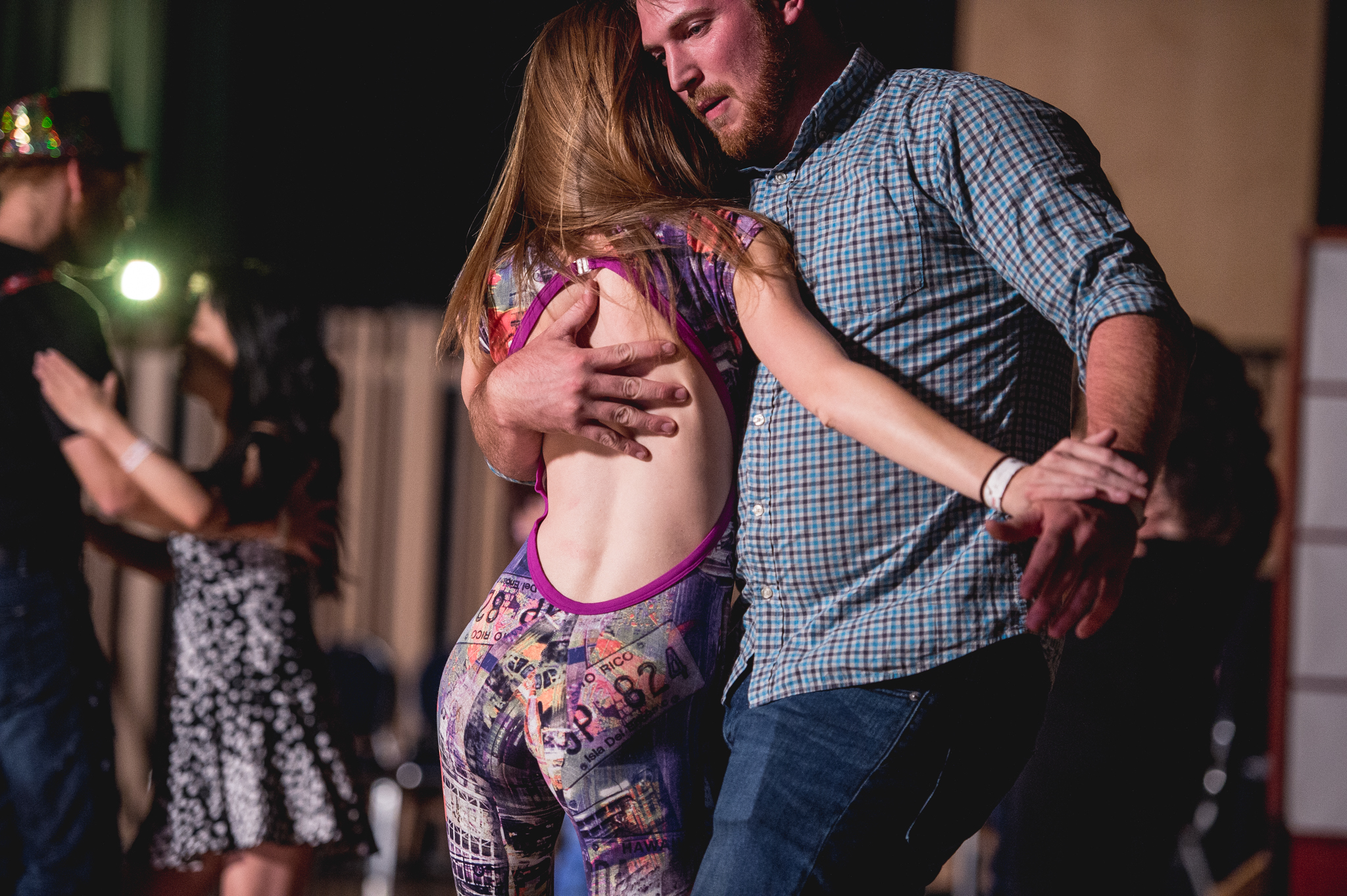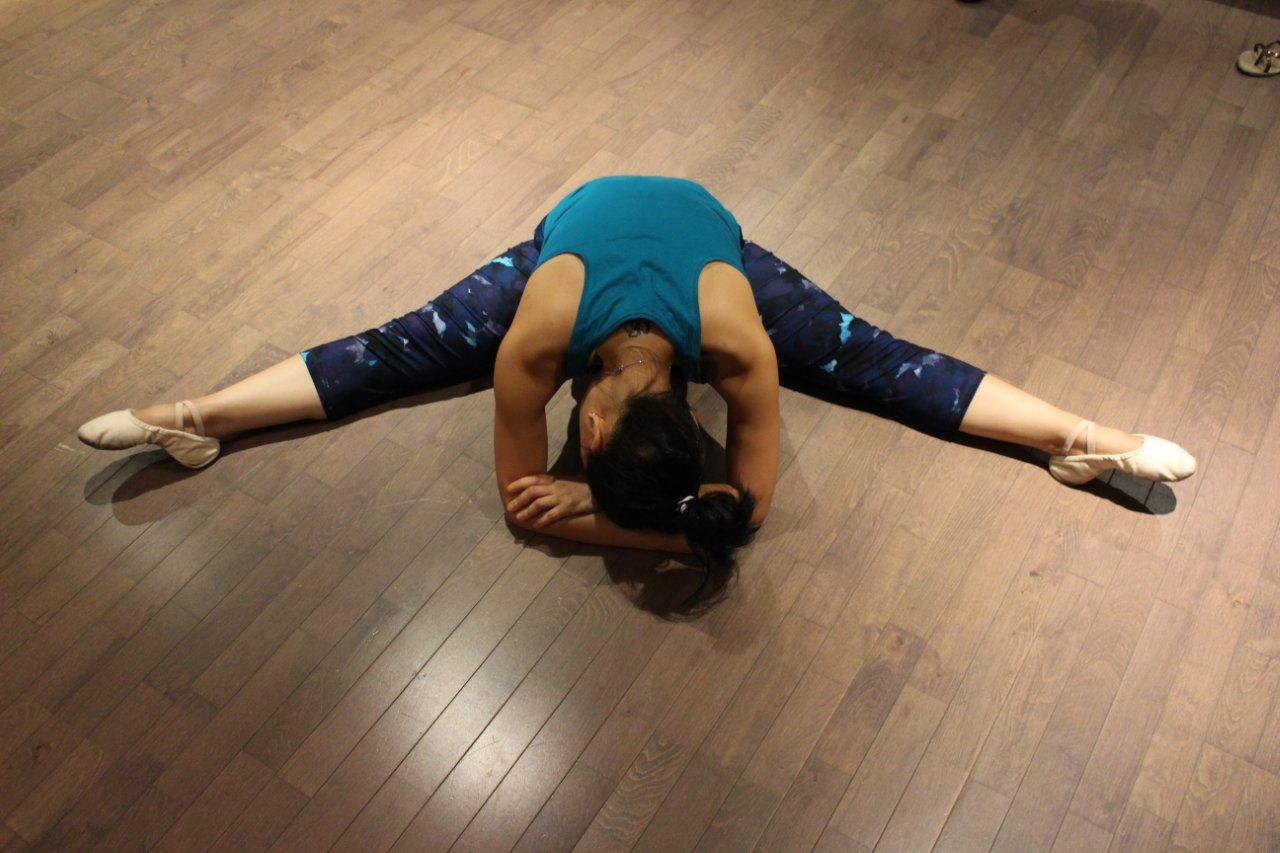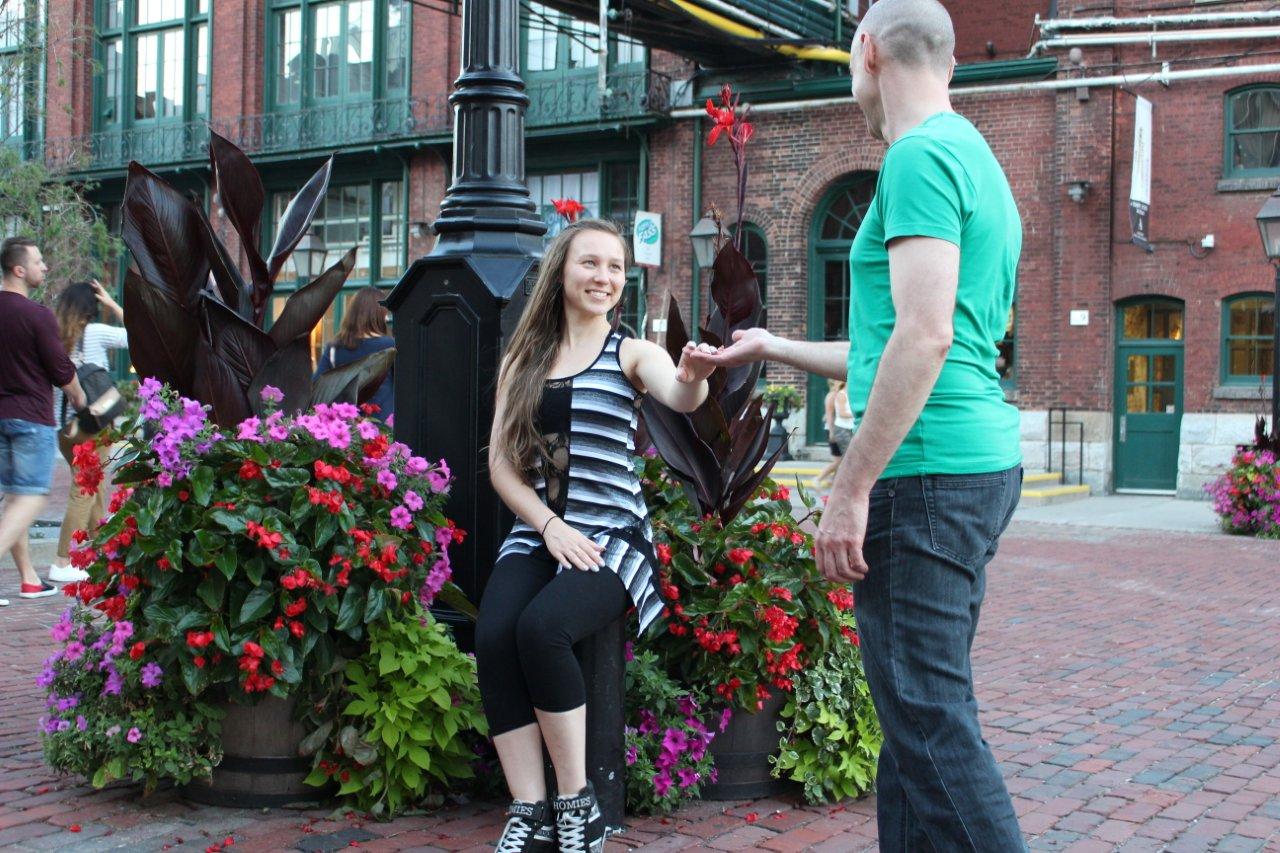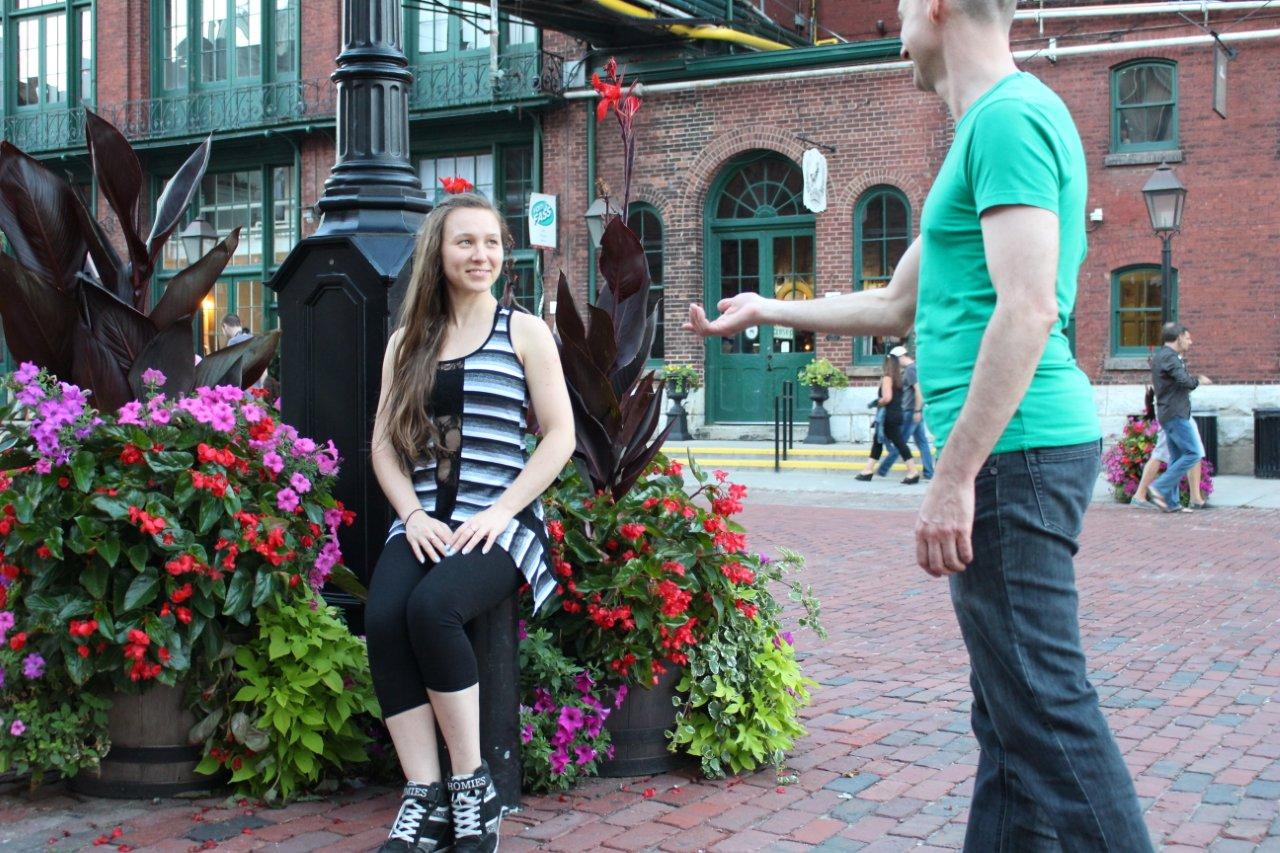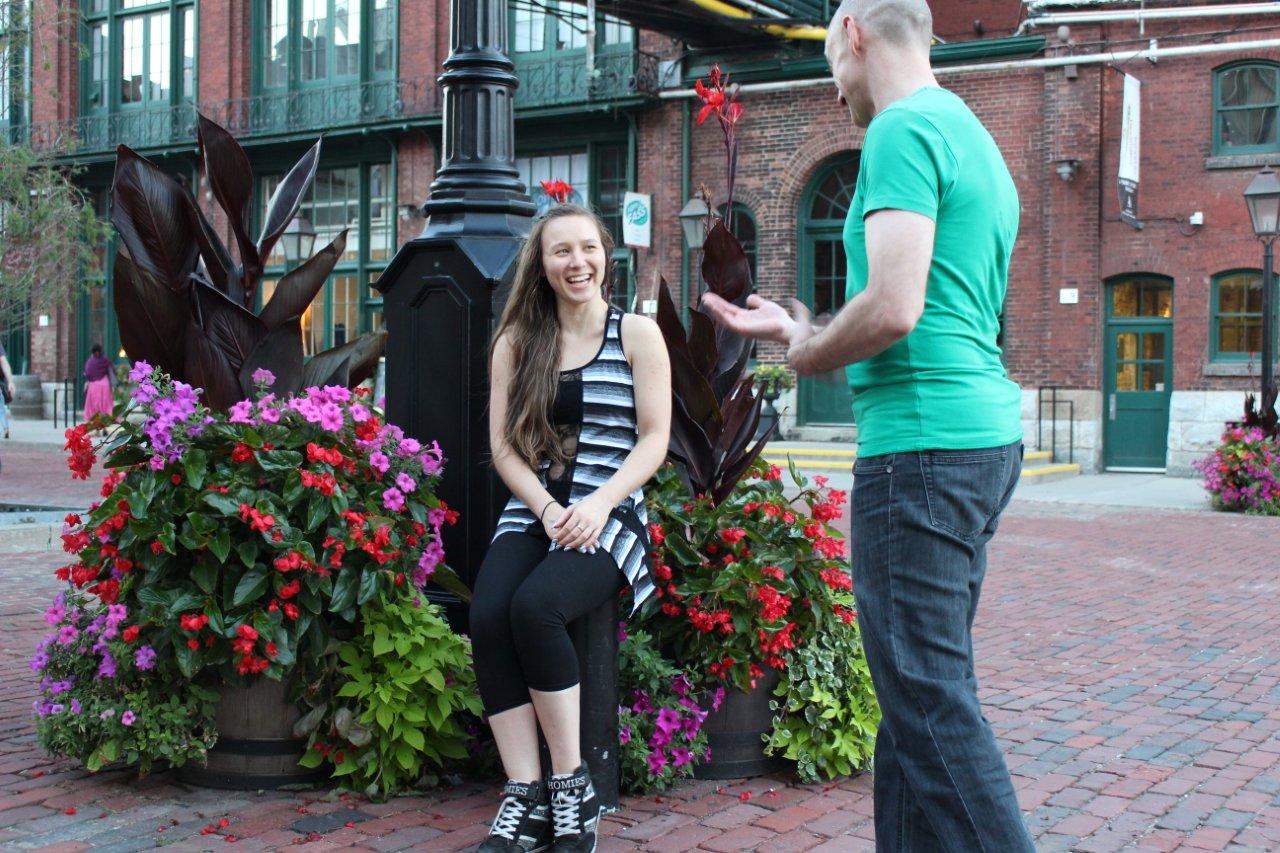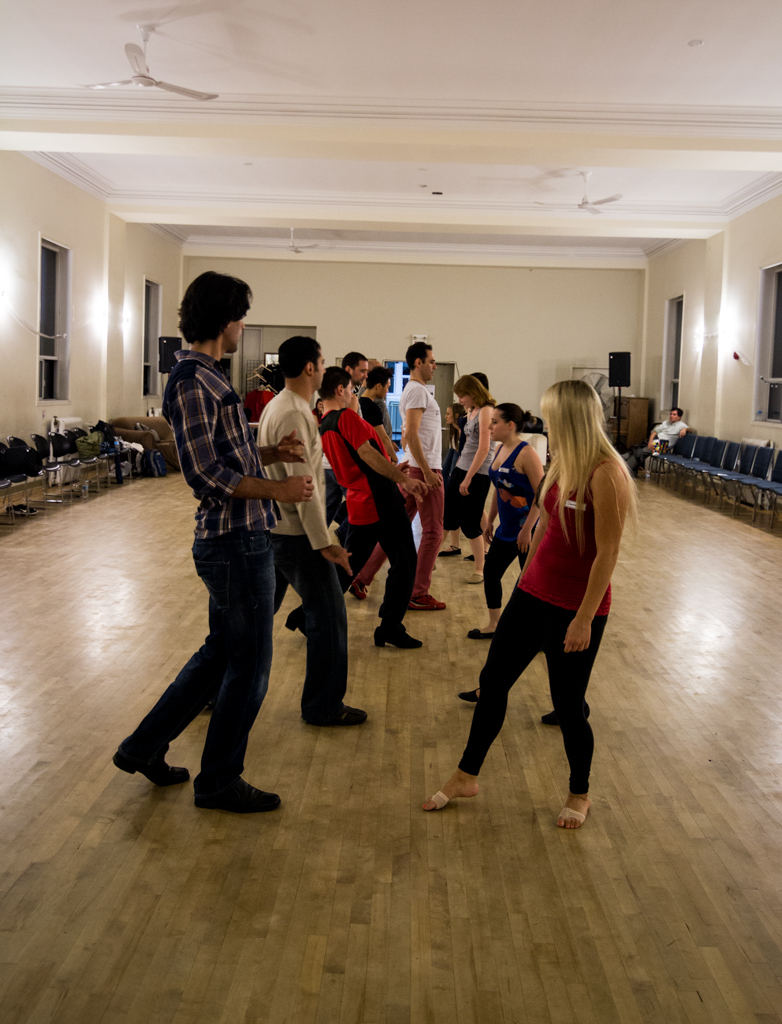
There is perhaps almost no activity so entwined with moving and knowing your body – both its aesthetics and its capabilities – than dance. Unlike things like modeling, we require acute awareness of our body’s capabilities. Unlike traditional athletes, we have to not only get the job done – but look good doing it too. Plus, in dance, our body is usually in contact with others or shown off through clothing.
-
-
I’ve gotten a few questions recently about a past article. Most of them centered around this general concept: “I just don’t want to take more classes. I know I’m not fantastic, but I enjoy learning patterns more than technique and just want to dance socially. What’s wrong with that?” I never advocate everyone needing to aim to be an advanced dancer – and I’ve said so before. If someone just want to learn basic patterns and have a nice social time, all the power to them! That’s great!
-
You may hear us follows from time to time admire our favourite leaders. We may call them strong leads, but when we say ‘strong’, it may mean something different.
-
Being a social dancer is a fantastic thing. It means that you feel, deep in your core, a desire to connect with other human beings. It means you have a desire to be empathetic, caring, and in tune with the energy around you. We desire to create, channeling our energy into a beautiful experience that is always present and never replicated in any other place. And, unlike many things, we choose to create these magical experiences with a partner.
-
Part of the thrill of being a lead in dance is being able to create the framework and shape the dance into something beautiful and creative. With a good follow, you can create magic on the floor. Better yet, you can do so effortlessly. But sometimes, leaders get so wrapped up in doing what they want that they forget about their follow.
-
Dance is a largely physical expression. Not that many of us use our words all that much. In many circles, the physicality is one of the things that overcomes the barriers created by language. But, sometimes our words can have power. Power that can be used for great good… or great evil… Muahahahahaha!!
-
Connection. We sigh and yearn for that dance partner that makes us feel amazing. The way that they hold their partner is simply magical, transporting you to a whole other realm of being. It’s a magic spell that lasts for a song – or maybe more – and leaves a smile on your face the rest of the evening. …But yet, it is so hard to capture.
-
So you’re a dancer, and you want to keep improving. You’ve taken all the levels offered by your local studio, and aren’t sure where to go from there. You’re contemplating cross-training in another genre, but really aren’t sure where to start.
-
We’ve talked about whether you always need to say ‘yes’ to a dance. We’ve talked about what happens when someone says ‘no.’ But…
-
Part 1: Are you obligated to say yes to every dance? We talked last week about how no one is obligated to say ‘Yes’ to a dance… but what happens when someone says ‘No’ to you?
-
No, you are not. I will explain. We’ve all heard it. The famous saying: “Never say No to a dance”. I disagree. There are very valid reasons to say ‘Yes’ or ‘No’ to a dance. All of them are completely legitimate, and within your right to exercise. By giving ourselves the power to say ‘No’ to a dance, we help to preserve the joy we gain from actually social dancing when we want to and on our terms.
-
A while back, I wrote an article on getting the most out of your dance education. However, I figured that greater depth was needed on one point: picking a dance teacher.
-
Dance events are the highlights of my year. I would pick a Dance-cation over almost any other kind of vacation, and I love every aspect of it from the crazy schedule to competitions, performances to social dancing. However, attending dance events tends to be expensive – which limits the amount of times I can do them in a year.
-
You know the person. Magically, they seem to find a continuous flow of new dancers for the scene… and many of those people actually stick around. They are what I like to call a ‘Dance Evangelist’. I self-identify as a Dance Evangelist. Since I started dance, I’m pretty sure I’ve gotten at least 50 people into various forms of dance – and that’s probably on the conservative end. Salsa, West Coast, Zouk. Even Lindy and Blues at a time. So, I feel pretty well qualified to write this, but I am always open to new ways to improve my own Dance Evangelism.
-
As dancers, one of the most important tools we possess is our feet. They move us, turn us, can make us look good, and are the foundation on which the rest of our dance rests. It is very easy over the course of an event to over-strain our feet to the point where we find it difficult to enjoy the rest of the weekend. Other issues include swollen feet, blisters, and shoes that aren’t fitting properly… but there is hope! Here are some fixes that may work for you.