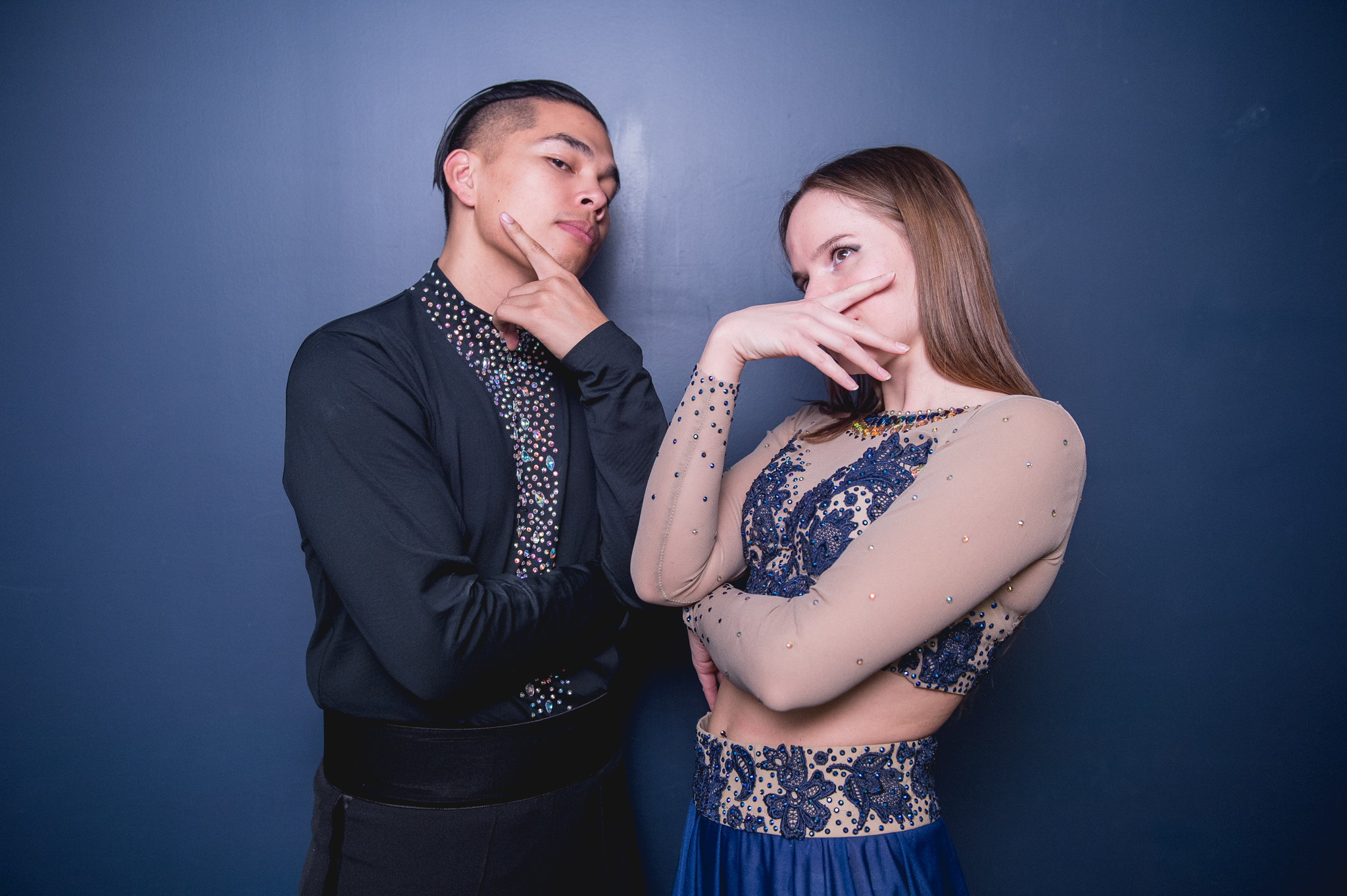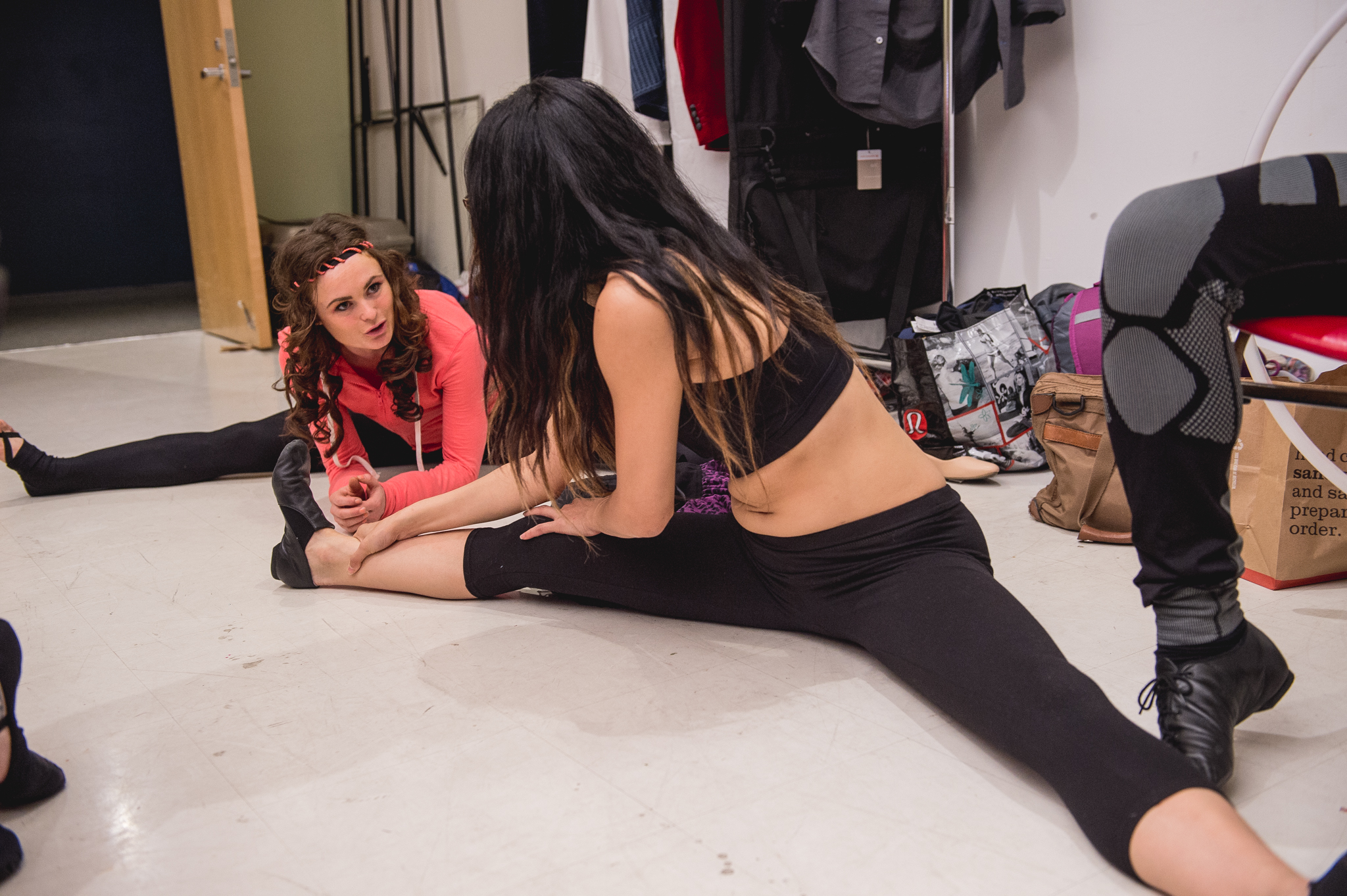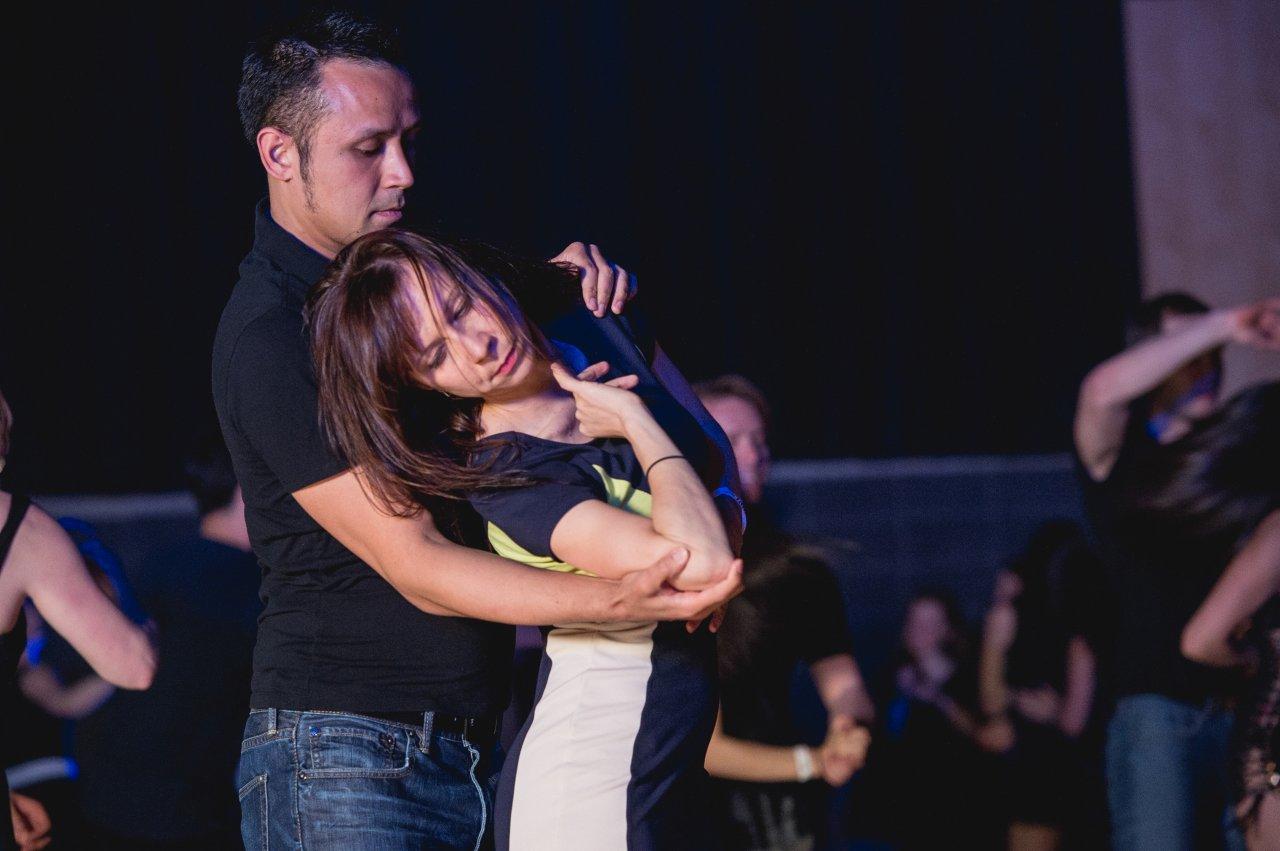
We know how awesome it feels to dance with a great lead or follow. We know that it’s important to be able to assess your partner during the dance to maximize your positive experience. We know that attitude plays an important part, and that there are some things you just shouldn’t do.
-
-
At around 4 a.m. after a Saturday full of dancing, I had quite a memorable conversation with a dancer who had experienced a dance that they were hoping would go very right, but ended up leaving a negatively-tinged aftertaste because they and their partner weren’t on the same mental wavelength. It could have been one person not particularly being into the dance. It could also have been mental distress from a crowded floor, fatigue, or some sort of discomfort with the partner’s style.
-
I love social dancing. I love the variety, I love the musicality, I love the connection. I love being challenged by new movements. Usually. Every once in a while, it seems there arises some sort of new move that has managed to crawl its way out of the list-of-things-that-should-never-be-done onto the list of things-some-leads-absolutely-love. The good intentions are certainly there, but oh-my-gawd some of these moves just…
-
So, you have a favourite dance. You probably have a favourite style of said dance. But, what happens when certain styles are deemed ‘illegitimate’ because they’re not the ‘original’? I’ve seen this in almost every genre. Kizomba, WCS, Salsa, Zouk…The question is, why is it that certain styles of the same dance are ‘illegitimate’ vs. ‘legitimate’?
-
A few days ago, I published an article about how a leader I danced with managed to turn a really rough and scary dance into an amazing one. It was meant to show how respecting and communicating with your partner can lead to amazing dances – and rescue them when something is going wrong.
-
I recently arrived home from one of the largest Zouk congresses in the world. It was full of all kinds of social dance partners, but there are a few that truly stick out in my mind. One was a dance where, after the first 20 seconds, I became very scared for my safety. But, unlike every other rough dance I’ve had, the leader managed to transform this dance into one of my most memorable of the weekend.
-
I’ve talked a lot in my blog about ‘connection’. It is such an integral part of dance, but very hard to understand for a large amount of people. In my experience with students, they often fall into two categories: The ones who already understand these things – naturally or through education; and, The ones who don’t.
-
Follows: what if I told you that you have just as much power to shape your dance as the lead? It’s true – and it starts from the second you begin dancing. Much the same way that a lead can ‘test’ the follow’s abilities before launching into full-on dance mode, we have the ability to ‘test’ the lead’s ability and assess how much we would like to give into the dance.
-
So, you’re on the social dance floor. You’ve just asked a partner to dance. This can be someone that you have never danced with, or it can be your first dance of the night with a great friend. Maybe it’s a dancer who you think is really advanced, and you are SUPER excited to go wild! But wait: you haven’t test-driven the dance yet.
-
Being a light follow has nothing to do with weight. You can be 200 pounds and light as a feather, or you can be 100 pounds and feel like my apartment’s refrigerator. You can have gorgeous style and be capable of 100 single-footed spins and STILL be a refrigerator. Conversely, you can have no style and physical limitations, yet still be a light follow.
-
I’ve been told twice that I shouldn’t dance. I only listened once. The first was when I was a beginner. Only a few weeks into my dance journey, my instructor became frustrated by my lack of ‘natural’ ability in Salsa. He point-blank told me “maybe dance just isn’t for you.” His advice didn’t help me at all. Because I was not grasping his ‘concepts’, he instead determined that I was not built to dance.
-
So, you’re new to the dance world. Or trying a new style. You’ve heard about this mythical thing called ‘social dancing’. That is, dancing with random people you probably don’t know. In front of other people. In a style you’re not very familiar with. Sound terrifying? If it does, you’re not alone. One of the hardest things to do within dance is taking that first plunge into the realm of socials. What if you forget your moves? What if you can’t find the beat? What if that really good dancer thinks you suck?
-
I read a heartbreaking Facebook post today. Through a friend’s post I learned that a beautiful, vibrant and well-loved dancer in his scene took her own life. To be clear, I never met this girl. All that I know about her I only know through her public Facebook profile. From what I could see, she looked like a beautiful and well-loved woman with a penchant for unknown horror films who made people smile and laugh. She does not appear to the world as someone in a deep, dark place on the verge of taking their own life.
-
Last week, I wrote an article on why following is frequently underrated as a skill in the social dance scene. This week, I want to follow up on exactly what I mean by teaching follows how to follow in classroom settings, as well as the things I think need to change in order to teach this. This is my personal opinion on the matter, and I’d love to hear from others what they have found worked or didn’t work in their own dance history in the comments below.
-
Have you ever been in a dance class where the follows have been told to ‘Just Follow’? Have you ever heard someone told that follows have it so much easier because they ‘Just Follow’? Have you ever heard a female instructor devalued because ‘She is a follow, not a lead’? I have.