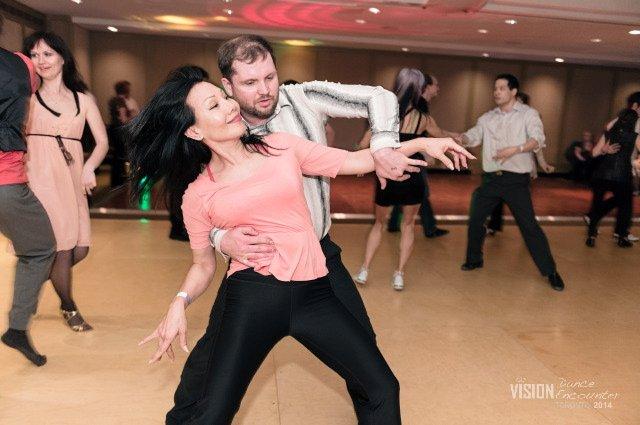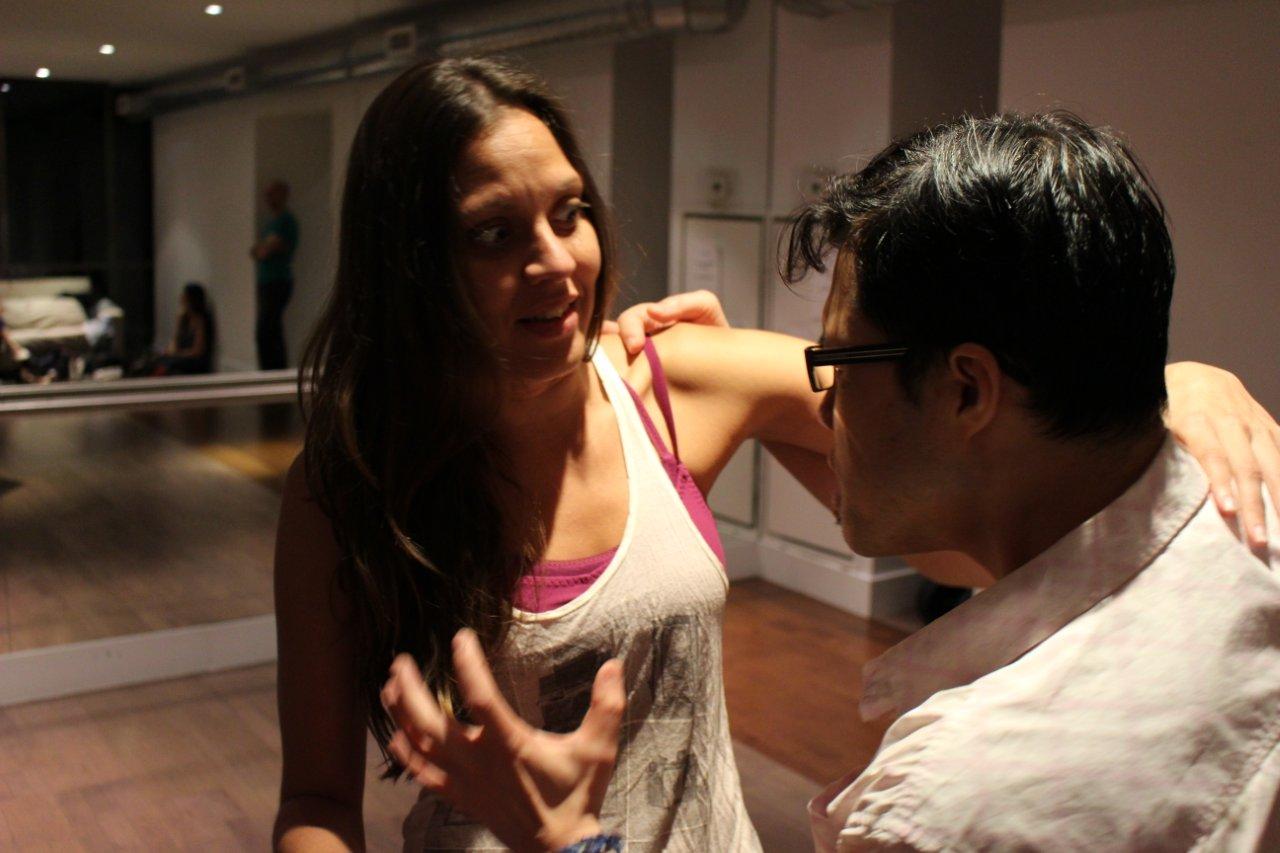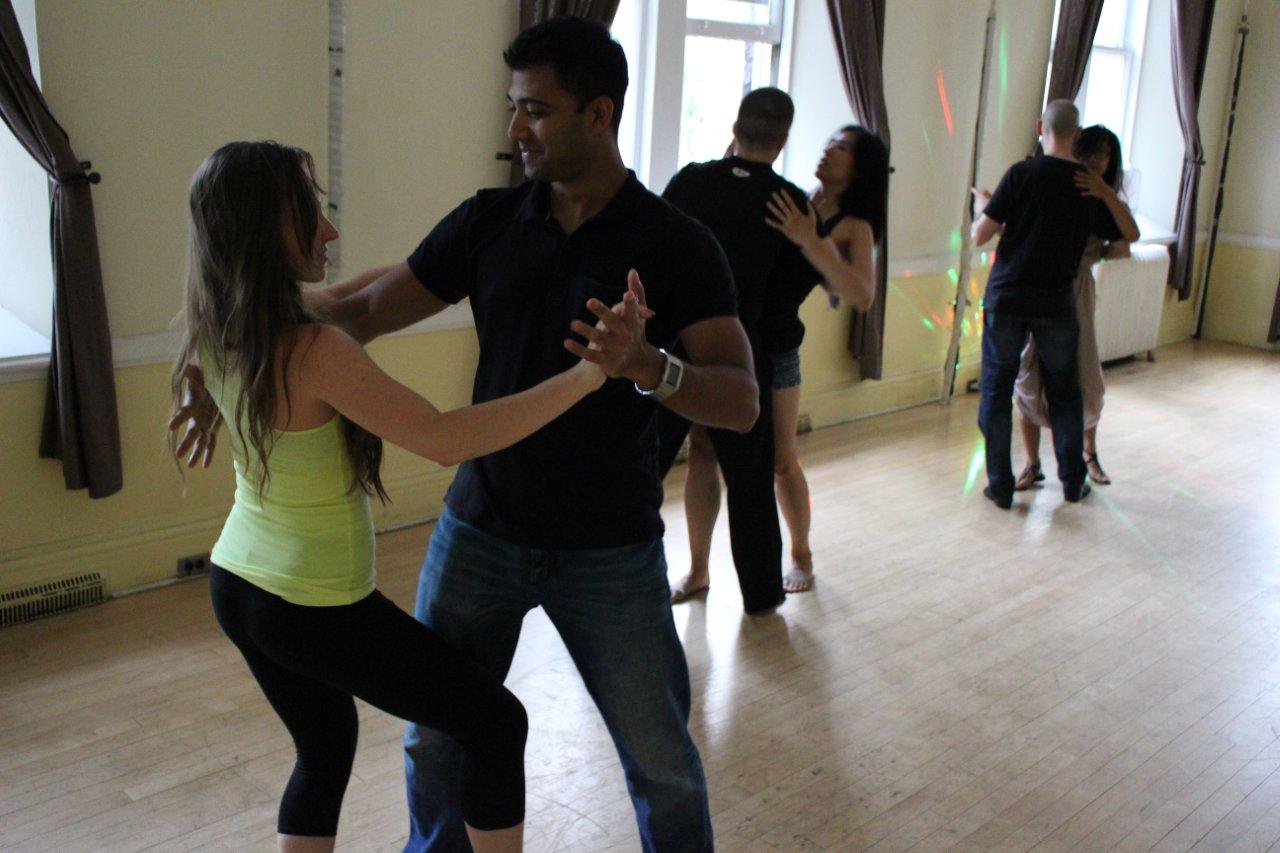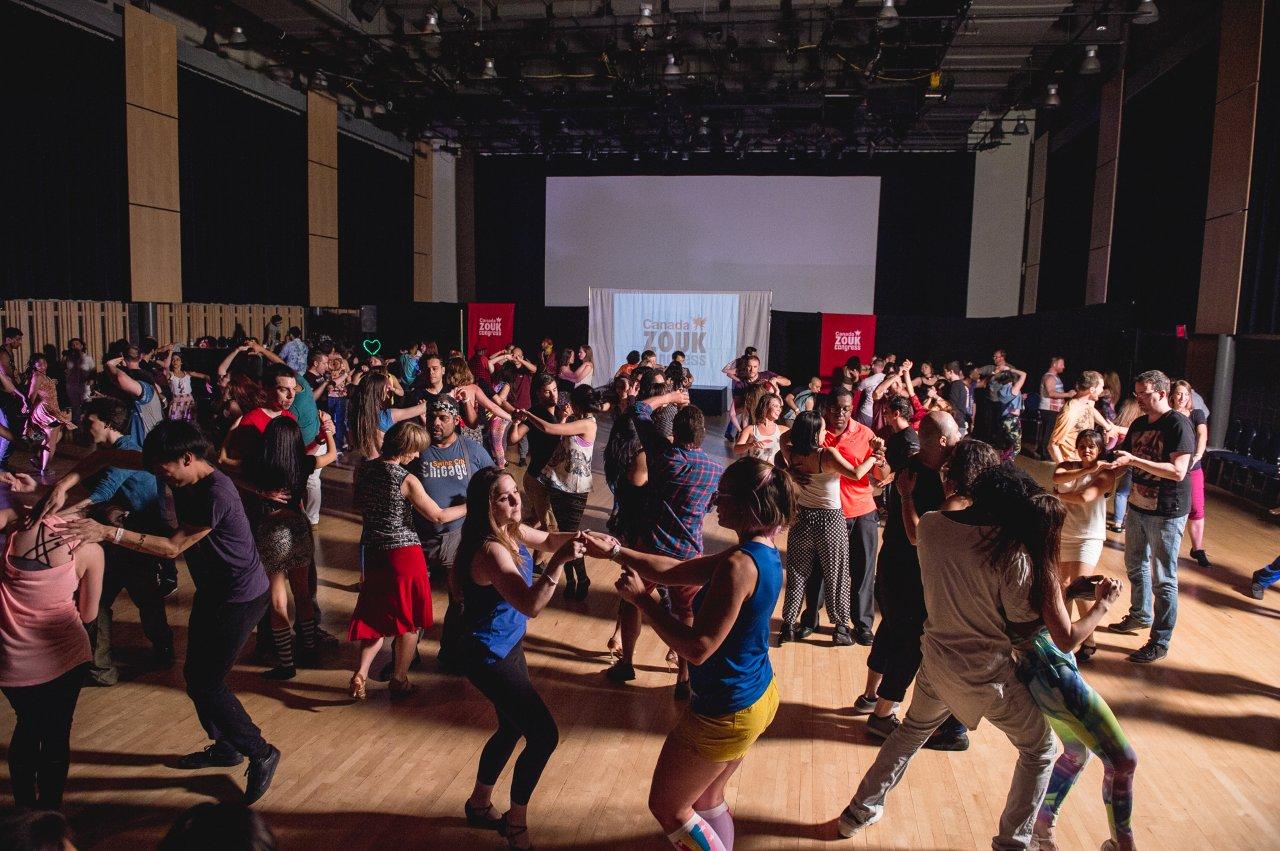
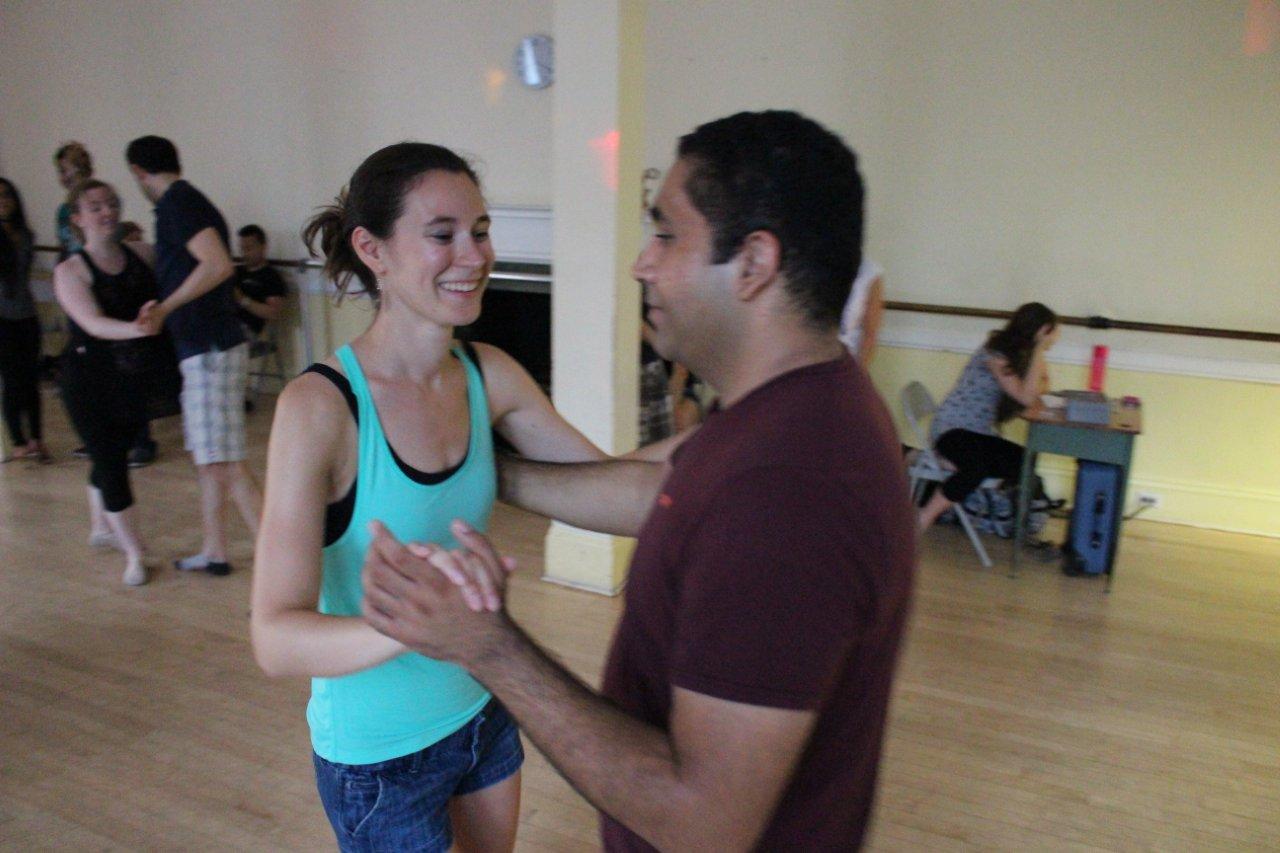
We all have our favourite partners. Usually, these are partners where we could spend a long time dancing with them, and still enjoy our time. Sometimes, we’re more than happy to ask and re-ask for dances throughout the night. A re-ask (for the purposes of this article) is when you ask a person for a dance more than one time in a night. It doesn’t matter whether your first ask was accepted or declined; later asks are still re-asks.
-
-
A couple days ago, I wrote an article about how teaching on the floor is almost always inappropriate. Out of many conversations, there were a couple common threads that kept appearing: What if I feel I’m in danger, or something is hurting me? What if it’s a social after a class, and/or I’m practicing and figuring out a new movement with a friend? What if it’s someone where 5 seconds of advice could calm them down and make the whole dance better? To me, ‘floor teaching’ does not apply to any of those scenarios. To me, they were completely different concepts…
-
If we’ve been social dancing for any length of time, we know that one of the golden rules is to ‘never teach on the dancefloor’. It’s irritating, it’s rude, and it makes your partner feel really crappy. I’m not talking about the follow who requests that their hands not be squeezed, or the lead who requests a follow not to self-dip. I’m talking about those <s> lovely </s> individuals who stop a dance to explain to you what you’re doing ‘wrong’ and how to fix it.
-
Social dancing is a language. We have our own set of cues and responses that people understand and respond to with various degrees of efficiency. There’s people who speak fluently, people who speak basic, conversational dance, and those who only know a few words. Beyond the movements we use for actual steps, we have a second ‘hidden’ language. This language is what we use to communicate issues that we’re having with the other person’s dancing. This hidden language is sometimes MORE important than the ‘dance language’ itself.
-
There are very few reasonable reasons to leave a dance before the end of a song. Generally speaking, agreeing to a dance means you are agreeing to spend a minimum of 1 song with that person. It does not mean taking a test-drive, and then deciding 30 seconds later that you no longer want that dance.
-
Ever wondered what your favourite dance would be like if it were a flesh-and-blood person? I did – and this is what I came up with. You can find Part 1 here and Part 2 here.
-
Ever wondered what your favourite dance would be like if it were a flesh-and-blood person? I did – and this is what I came up with. You can find Part 1 here.
-
Ever wondered what your favourite dance would be like if it were a flesh-and-blood person? I did – and this is what I came up with:
-
Dangerous dancers: we’ve all danced with one. If we’ve been dancing a while, probably several. But, one thing many people do not pause to consider is: Are we the dangerous dancer everyone keeps talking about?
-
Each dance has its own style and ‘standard’ look. Lindy Hoppers love their retro gear, while WCS dancers favour slacks and pants. Brazilian Zouk loves its body suits, and Tango is all about emphasizing the legs. Beyond how we dress our bodies, there are usually ‘standard’ body highlights present in styles. For example, Kizomba showcases the derriere, and Zouk the hair. WCS emphasizes lines, and (once again) Tango emphasizes the legs.
-
The vast majority of us are not social dancing for the sex, but a lot of us have had at least one crush on a fellow dancer. When I say crush, I mean an actual, romantic crush. I do not mean a dance crush, where you absolutely adore the person as a dancer – but without the romantic attraction. I mean you actually want to explore more of a romantic connection with that person.
-
It is a well-known fact that there are a lot of people who start dance to meet people – with an eye towards dating. Does that mean that social dance is all about the sex? Is it all about finding romantic partners, either short or long term? Or is it something else?
-
I want to tell you a true story. It’s the story of a woman who said no to a man when he asked her for a dance. She had never met him before, and didn’t want to dance with him at that time. The man was a bit hurt. He felt he had been judged prematurely. He felt that he had been looked up and down, and declined because he didn’t ‘look’ like a good dancer. He decided to never ask the follow to dance again.
-
I’ve written some articles about my belief that you should always treat your partner well – whether male or female. I’ve also written about how ‘taking care of a follow‘ shouldn’t mean ‘protecting’ the ‘weaker sex’. Every time the topic of same-gendered dancing comes up, there’s a consistent response: “Some things can only be expressed between a man and a woman” This also generally comes with the assumption that this man-woman relationship consists of male LEAD and female FOLLOW (not reversed).
-
We all know that teaching on the dance floor is not a nice thing to do. But, what about asking your partner to change a particular thing when they do something you don’t like during a social dance?