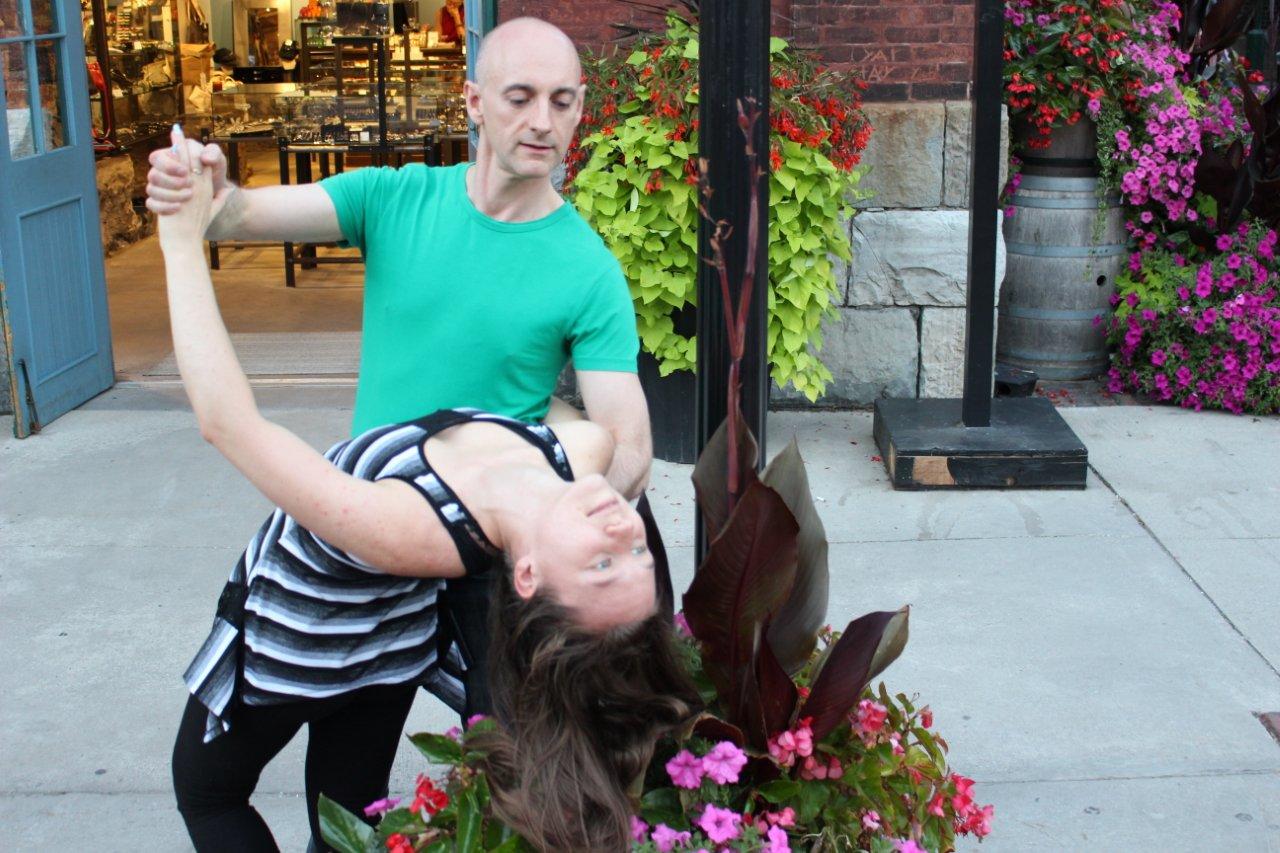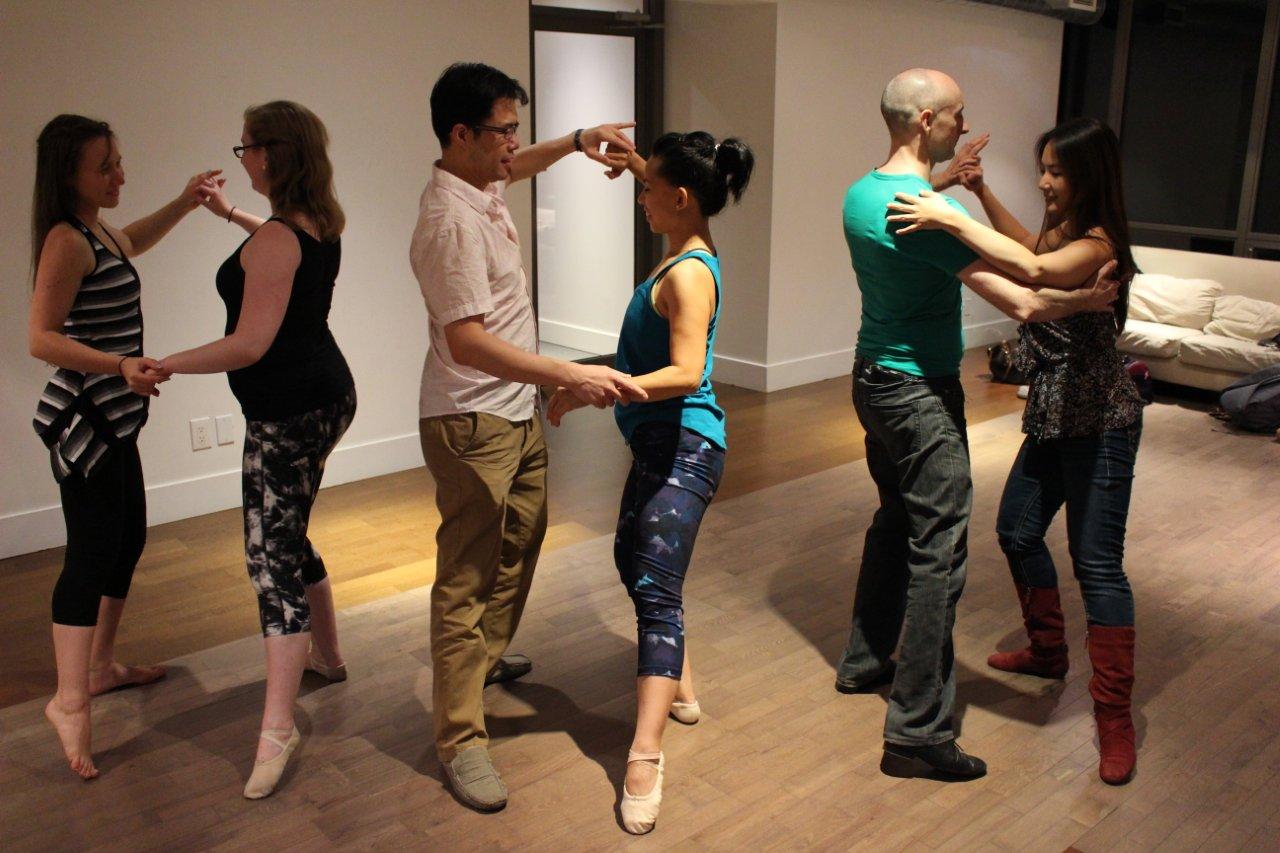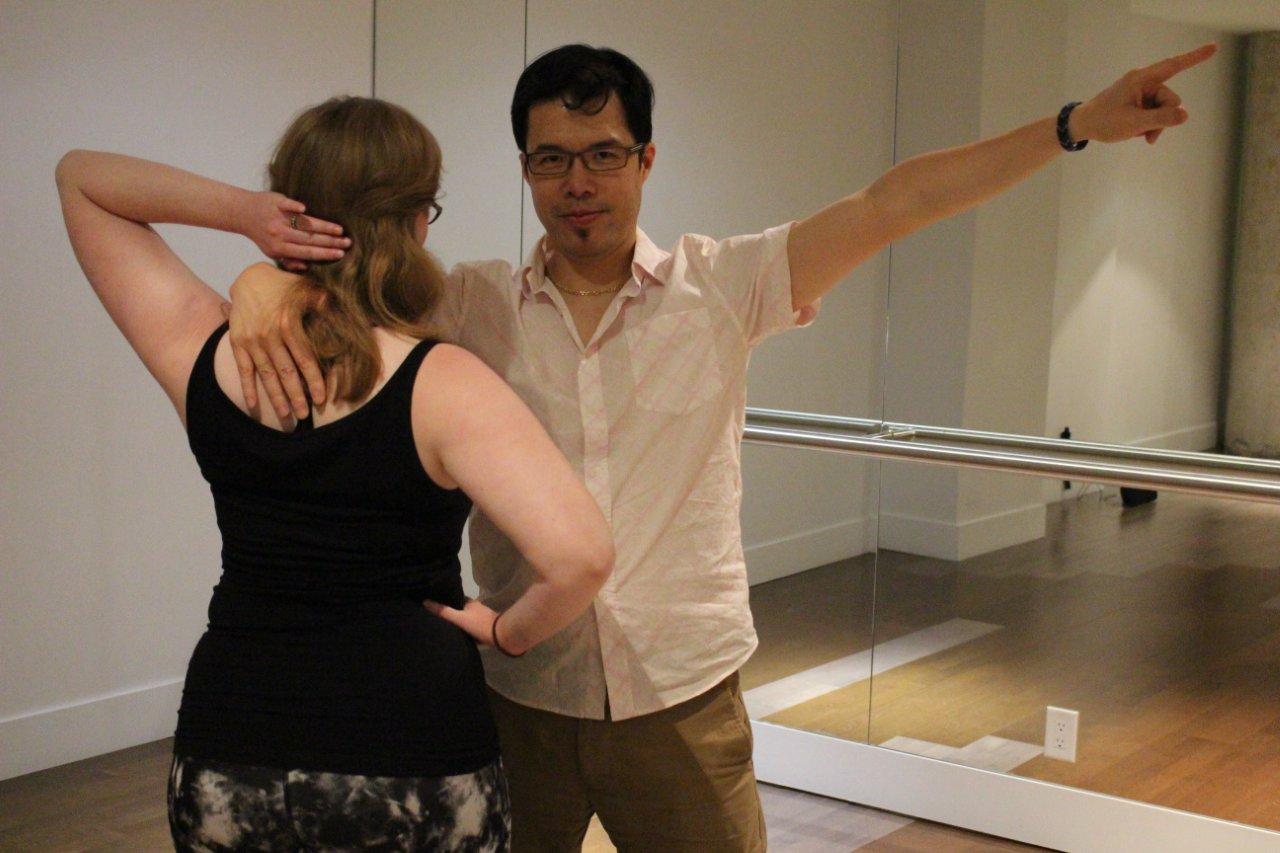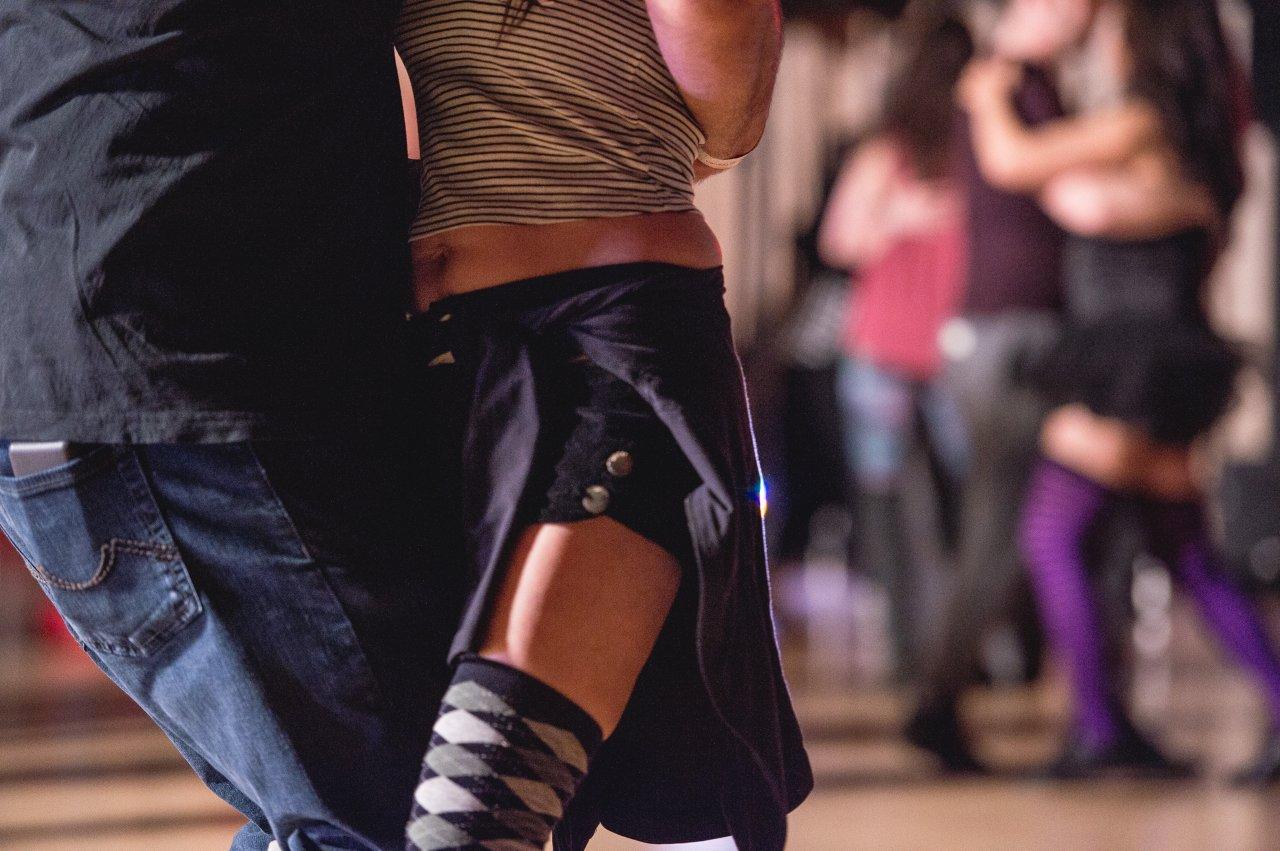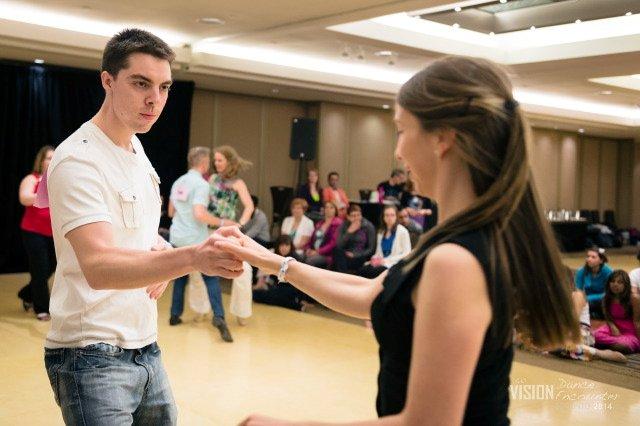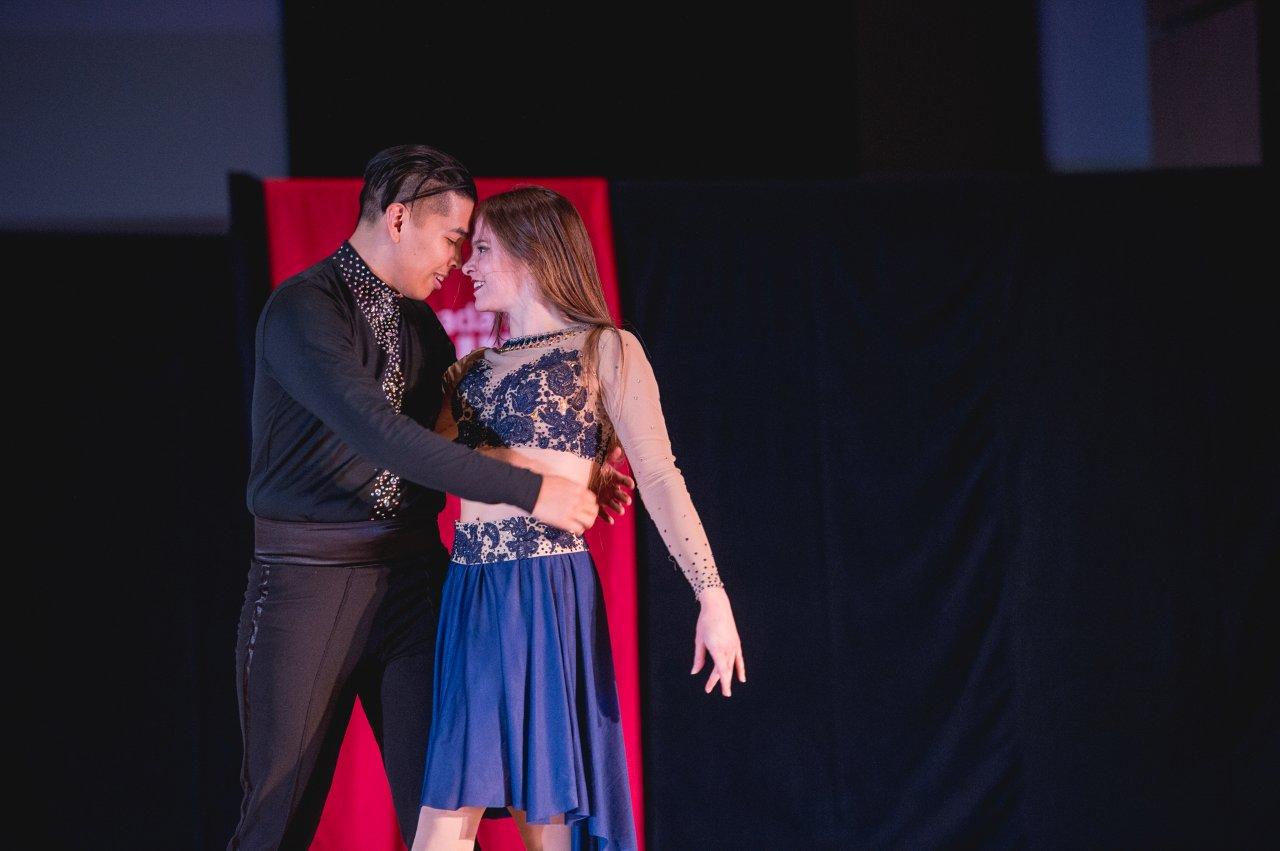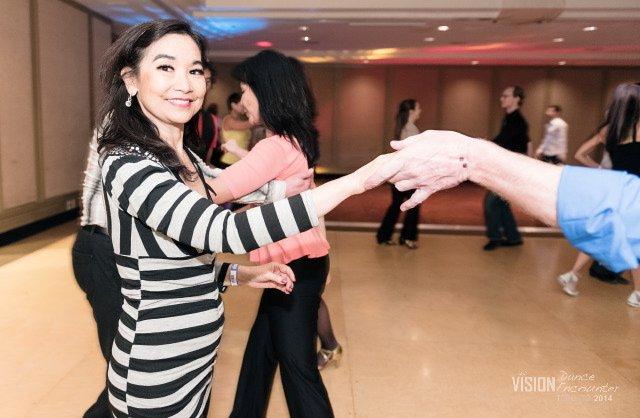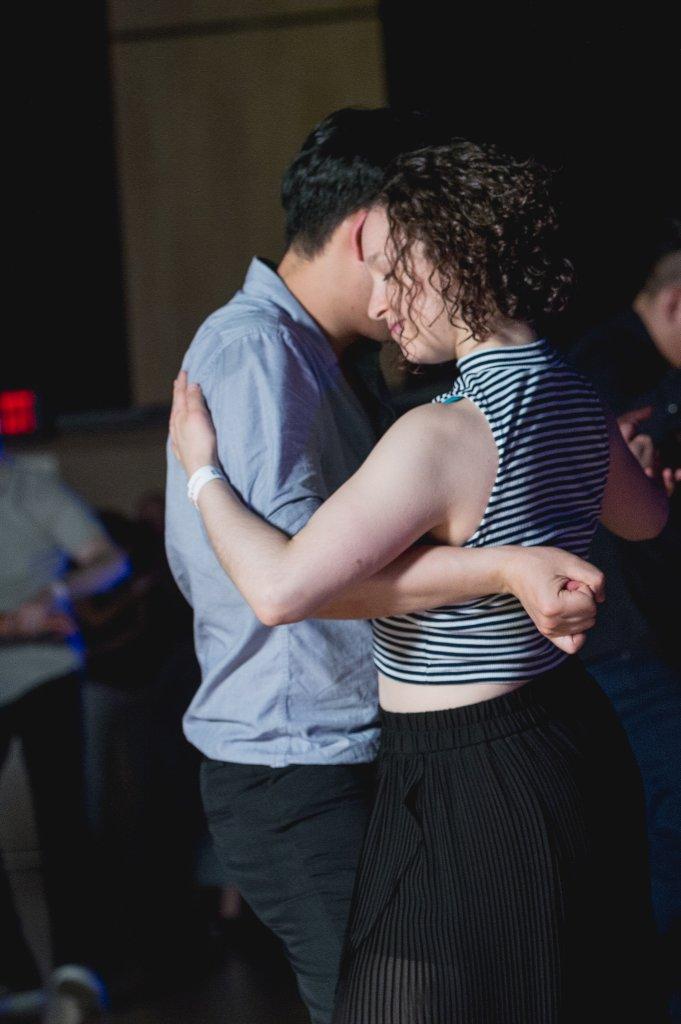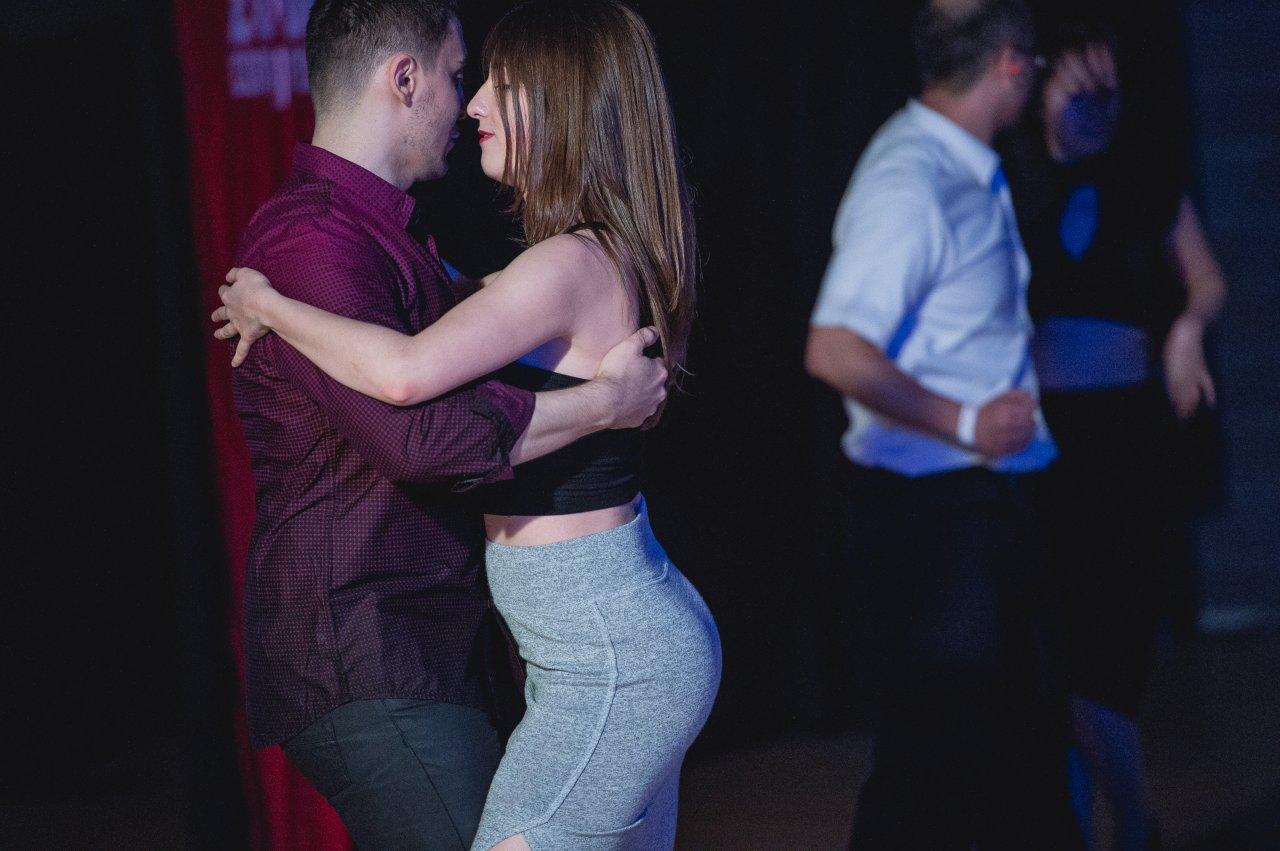
Social Dancing: the perfect space for safe, physical contact with partners. The place where it’s OK to be super close to your partner, with no romantic or sexual inclinations. For most people who have been social dancing for a long time, the close, physical contact between dance partners can feel like a very natural space. In some dances, that closeness even becomes a symbol of the magnificent ‘great connection‘ we are always chasing.

-
-
It’s time to dispel some myths about partner dancing. I’ve covered some before, like the idea of learning by social dancing or the idea of right and wrong. But, that’s far from the only misconception or myth that exists about social dancing! Some are actively encouraged, and others are just ‘understandings’ people have when they enter the scene.
-
Have you ever felt like your leading is a bit ‘boring’ and is stuck on autopilot? Do you default to the same movement set, regardless of music? Follows, do you ever find yourself just ‘going through the motions’ on a step? If this sounds like you, you may be dancing on default.
-
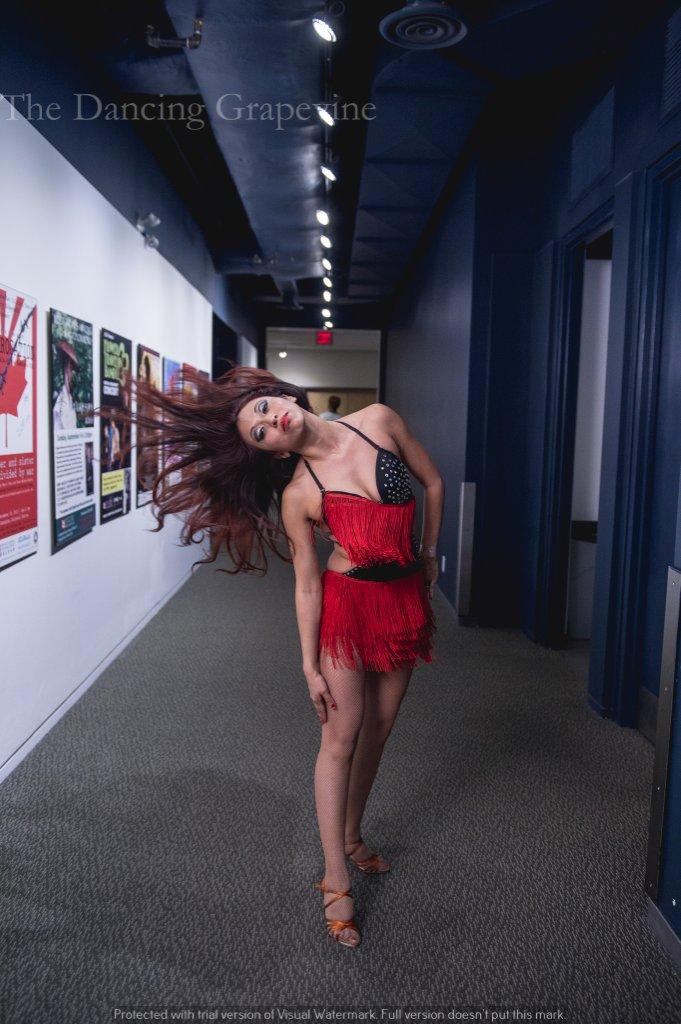
When I started dancing, I really wanted to move my body. I saw advanced dancers moving effortlessly around the floor, and I emulated them. So, when I went to class, I moved my body. A lot. I took giant steps. I flung my hair around as much as I could. I stuck my arms out all the time. I tried really hard to make my hips move on every step. In general, I was over-dancing.
-
Workshops and classes are one of the building blocks of the dance community. They’re what allow us to grow, learn, and be exposed to new concepts most effectively. They support new generations of dancers, and hone the tools of more experienced dancers. But, it’s also important to make sure that we’re using workshops and classes effectively. This is both in terms of what *we* take out of the workshop – and what we can do to help others who are learning in the same class.
-
Have you ever intentionally hurt or made someone uncomfortable while you were social dancing? (No? That’s what I thought) Now the trickier one… have you ever felt like someone intentionally hurt or made YOU uncomfortable while you were social dancing with them? What about, while not intentional, negligence (a lack of care) was responsible for the injury?
-
The Fun Partners: people who are always a joy to social dance with. They bring light to their partner’s eyes, and make every song a joy. But, what is it about these people who make them so much fun?
-
Follows: have you ever said you didn’t do a move because the lead ‘didn’t lead you properly?’ Then this is for you. It’s time to take charge of your own dancing.
-
This is probably going to be a polarizing article. I’ve tried to write an article like this for a long time – but could never find the words.
-
When we start social dancing, we go through a period of time where we feel like all our mistakes are under a microscope. We feel that, whenever we mess up, all those people who are sitting down at the social are judging us. Perhaps they’re thinking “How could you mess up the basic timing?” or “I can’t believe you can’t properly do that move yet. Amateur.” These feelings can lead to a massive amount of pressure. They can lead to newbies who are afraid to take to the floor, and experienced dancers feeling pressure to ‘perform’. But, in the end……
-
Did you grow up dancing, or with a deep desire to dance? If you didn’t, do you ever have that distinct, deep wish that your parents had made you take dance when you were a kid? I mean, seriously. If you were classically trained, everything would be SO much easier. It really would. But… would it really have been the right decision? Would you still be dancing?
-
I’ve been in several dance classes where students are told to make eye contact with each other. I’ve also had some creepy dances where my partner stared into my eyes for the entire dance. Where is the line between ‘not enough’ eye contact, and ‘too much’ eye contact?
-
There are some pretty poignant comments from older dancers – particularly older women – about how intimidating it can feel coming into the social dance scene. This is true. It can be scary, and there will be some not-fun moments. And yes, you will likely have a harder time getting ‘into’ the scene than a 21 year old. But, you still belong here. Contrary to what a few anti-social dancers may say or do, you belong as part of this community. You are valuable, and you deserve to engage in this beautiful world as much as any young adult.
-
It is important that everyone learn how to dance safely, and how to take care of our partners. It is important for leads to learn how to properly and safely lead, and for follows to learn how to properly and safely follow. However, our quest for learning this material shouldn’t come at the expense of our patience for others.
-
I understand why people say they will not dance with people who ‘do not take lessons’, but I disagree with them when they say it is because those people are ‘dangerous’. It’s impossible to judge whether or not someone is a dangerous dancer by whether or not they take classes. Is there a correlation between not taking classes and danger level? Possibly, but it isn’t always that simple.